

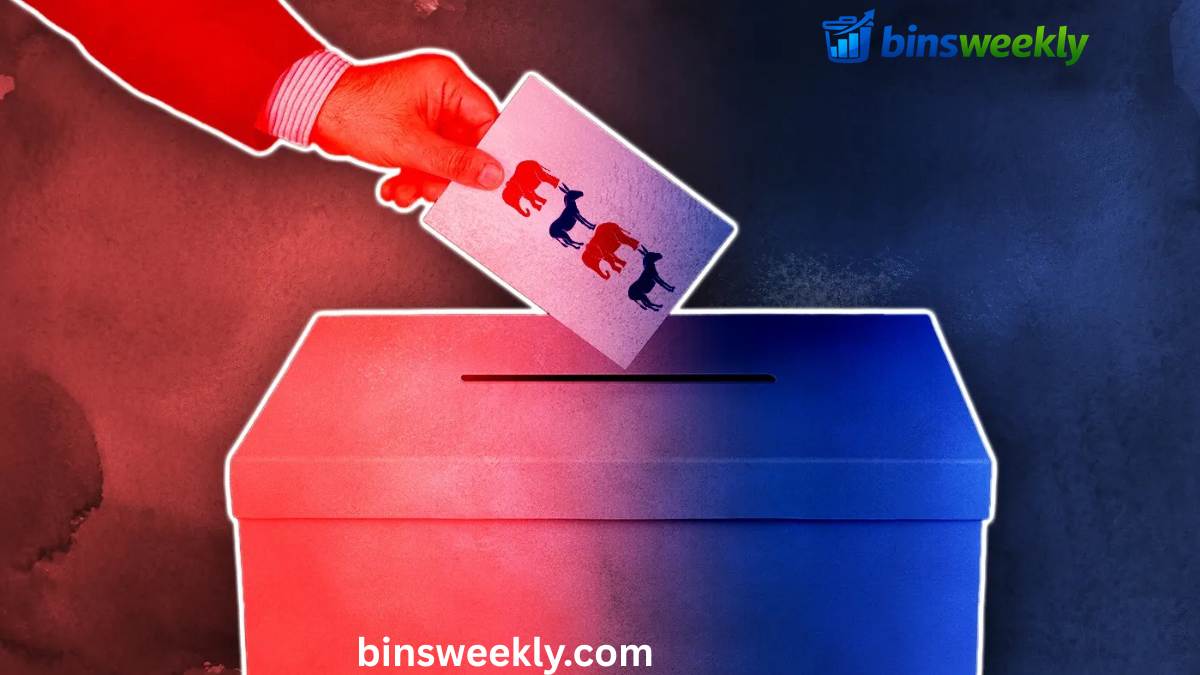
Split ticket voting is a fascinating behavior in democratic elections where voters choose candidates from different political parties on the same ballot instead of sticking to one party only. In simple terms, it means a voter does not vote “straight ticket” for one party but instead mixes their choices based on individual candidates, issues, or personal preferences. This voting style is especially visible in countries like the United States, where elections often include multiple positions such as president, senators, governors, and local representatives all on one ballot. The idea behind split ticket voting is that voters are not blindly loyal to a party; instead, they evaluate each candidate separately. This makes elections more dynamic and less predictable, often leading to surprising results where different parties win different levels of government simultaneously.
The concept of split ticket voting plays an important role in shaping political balance and representation. It reflects voter independence and shows that people are willing to think beyond party lines. For example, a voter may support one party for national leadership but prefer another party for local governance. This behavior can significantly influence election outcomes, especially in closely contested regions. In modern democracies, split ticket voting has become a key indicator of political awareness and voter maturity. It also challenges political parties to focus more on candidate quality and local issues rather than relying only on party loyalty. Understanding split ticket voting helps explain why election results sometimes appear mixed or inconsistent across different levels of government.
What is Split Ticket Voting?
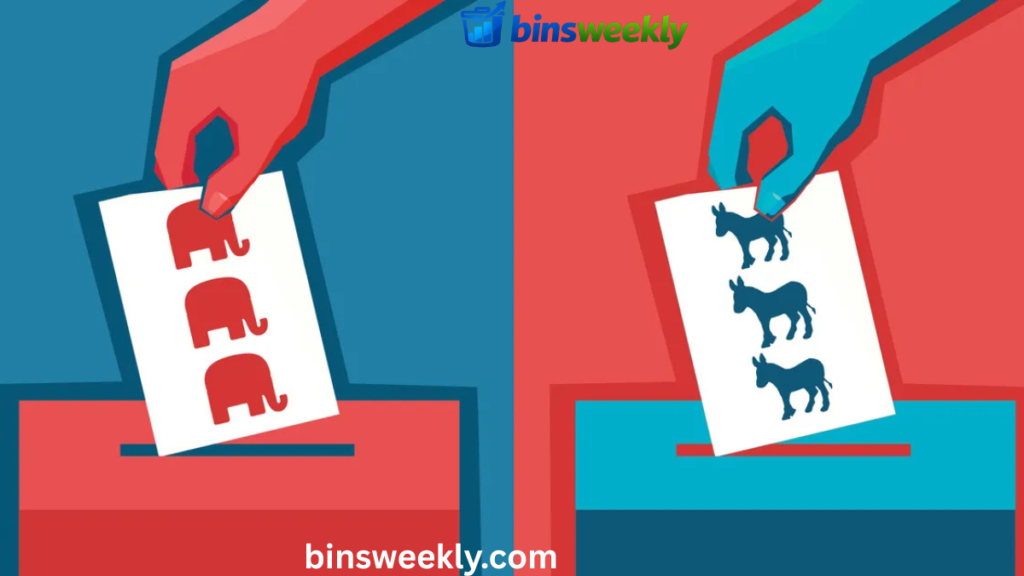
Split ticket voting refers to the practice of voting for candidates from different political parties in the same election. Instead of selecting all candidates from one party, voters “split” their choices based on individual evaluation. This means a person might vote for a Democratic candidate for president but choose a Republican candidate for governor or senator. The concept of split ticket voting highlights the flexibility voters have in democratic systems where multiple offices are decided at once.
In many cases, split ticket voting occurs when voters feel that no single party fully represents their views. They may agree with one party’s economic policies but prefer another party’s stance on healthcare or education. As a result, split ticket voting becomes a way for voters to express nuanced opinions. It allows them to reward strong individual candidates rather than supporting an entire party blindly. This behavior is more common in politically diverse or competitive regions where voters are highly informed and issue-driven.
Historically, split ticket voting was more common in earlier decades of democratic elections, especially in the United States during the mid-20th century. However, even today, split ticket voting still plays a role in shaping election outcomes, particularly in swing states or regions with independent-minded voters. It reflects a healthy democracy where voters are not strictly bound by party loyalty but instead make independent choices based on judgment and personal priorities.
How Split Ticket Voting Works in Different Electoral Systems
Split ticket voting works differently depending on the electoral system of a country. In systems like the United States, where multiple offices are elected separately, voters can easily practice split ticket voting on a single ballot. They might choose one party’s candidate for the presidency and another party’s candidate for Congress or local government. This flexibility makes split ticket voting a common feature of American elections, especially during high-profile election years.
In parliamentary systems like the United Kingdom, split ticket voting is less common but still possible in certain local or regional elections. Since voters usually select one candidate per constituency, the opportunity for split ticket voting is limited. However, voters may still support different parties in local council elections compared to national parliamentary elections. This indirect form of split ticket voting shows that voter behavior can still vary depending on the level of government.
In mixed electoral systems, such as those found in Germany or New Zealand, split ticket voting can happen more visibly. These systems allow voters to cast multiple votes for different levels of representation, such as a constituency candidate and a party list. This structure encourages split ticket voting because voters are explicitly given more than one choice. Overall, split ticket voting reflects the flexibility of democratic systems and the ability of voters to make differentiated decisions across political levels.
Advantages and Disadvantages of Split Ticket Voting
One of the main advantages of split ticket voting is that it encourages voters to think critically about individual candidates. Instead of voting purely based on party loyalty, people evaluate policies, leadership skills, and performance. This can lead to better representation because elected officials are chosen based on merit rather than party popularity. Split ticket voting also reduces the dominance of a single party and promotes a more balanced political system.
Another advantage of split ticket voting is that it increases political competition. When voters are willing to cross party lines, candidates must work harder to earn votes. This often leads to more moderate and issue-focused campaigning. Politicians cannot rely solely on party support and must appeal to a broader audience. As a result, split ticket voting can help reduce extreme partisanship and encourage cooperation between parties.
However, split ticket voting also has some disadvantages. One major issue is that it can lead to divided government, where different parties control different branches of government. This can create political gridlock and make it difficult to pass laws. Another disadvantage is voter confusion, especially for less informed voters who may find it challenging to evaluate candidates across multiple parties. Despite these challenges, split ticket voting remains an important expression of voter freedom and democratic choice.
Real-World Examples of Split Ticket Voting
Split ticket voting has been observed in many real-world elections, especially in the United States. One well-known example is when voters choose a president from one party but elect a Congress dominated by another party. This has happened multiple times in U.S. history, particularly in closely divided political environments. It shows how split ticket voting can significantly shape national governance.
In some U.S. states, voters often engage in split ticket voting during gubernatorial and senatorial elections. For example, a voter may support a Democratic candidate for governor due to local policies but prefer a Republican senator based on national security views. This type of split ticket voting highlights how voters separate national and local issues when making decisions.
Another example can be seen in local elections, where independent or non-partisan candidates often receive cross-party support. In such cases, split ticket voting allows voters to prioritize competence over party affiliation. This behavior is especially common in urban areas where political diversity is higher. Overall, real-world examples of split ticket voting demonstrate its strong influence on shaping balanced and unpredictable election outcomes.
Conclusion
Split ticket voting is an important feature of modern democratic systems that allows voters to express independent political preferences. It breaks the idea that voters must stay loyal to one party and instead encourages them to evaluate each candidate individually. This behavior strengthens democracy by promoting accountability, diversity of opinion, and better representation.
At the same time, split ticket voting can also lead to challenges such as divided governments and political disagreement. However, its benefits often outweigh the drawbacks because it reflects a more thoughtful and informed electorate. As political systems continue to evolve, split ticket voting will remain a powerful tool for voters who want to shape government based on issues rather than strict party loyalty.
FAQs
What does split ticket voting mean?
It means voting for candidates from different political parties in the same election.
Why do people use split ticket voting?
Voters use it to choose candidates based on individual merit rather than party loyalty.
Is split ticket voting common?
Yes, it is especially common in countries with multi-level elections like the United States.
Does split ticket voting affect election results?
Yes, it can lead to mixed government control across different political offices.
Is split ticket voting allowed in all countries?
No, it depends on the electoral system of each country.
What is the opposite of split ticket voting?
The opposite is straight ticket voting, where all votes go to one party.
Does split ticket voting reduce party power?
It can reduce strict party dominance by encouraging independent voter decisions.
Is split ticket voting good for democracy?
Many experts believe it improves democracy by promoting voter choice and accountability.