

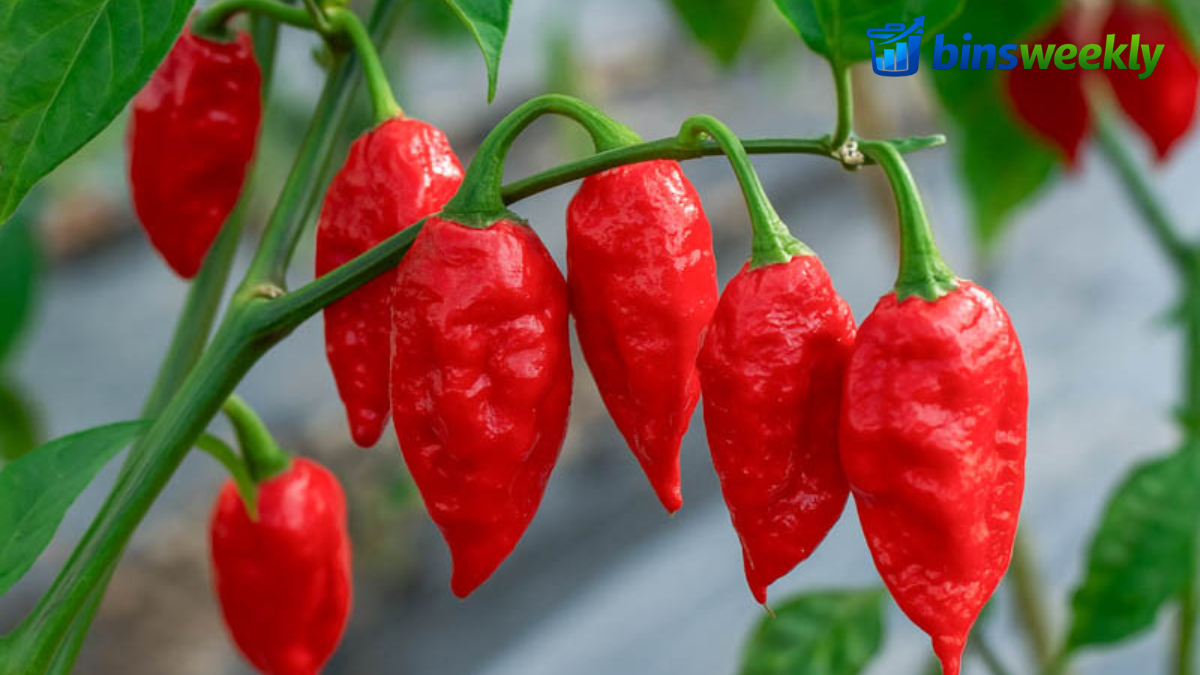
Ghost pepper, also known as Bhut Jolokia, is one of the most famous chili peppers in the world, known for its extreme heat and intense flavor profile. Native to Northeast India, this chili gained international recognition for being one of the hottest peppers ever recorded. With its wrinkled red skin and intimidating reputation, ghost pepper is not just a spice—it is a challenge for heat lovers across the globe.
What makes ghost pepper so fascinating is its ability to combine culinary value with near-dangerous spice levels. It has been used traditionally in Indian cuisine for flavor and preservation, but today it has become a global sensation in hot sauces, spicy snacks, and food challenges. Its popularity continues to grow among spice enthusiasts who seek extreme heat experiences.
Beyond its heat, ghost pepper also carries cultural and historical importance in its native regions. Farmers in Assam and Nagaland have cultivated it for generations, using it in traditional recipes and even as a natural deterrent for pests and animals. Today, it stands as a symbol of both tradition and global spice culture.
Origin and History of Ghost Pepper
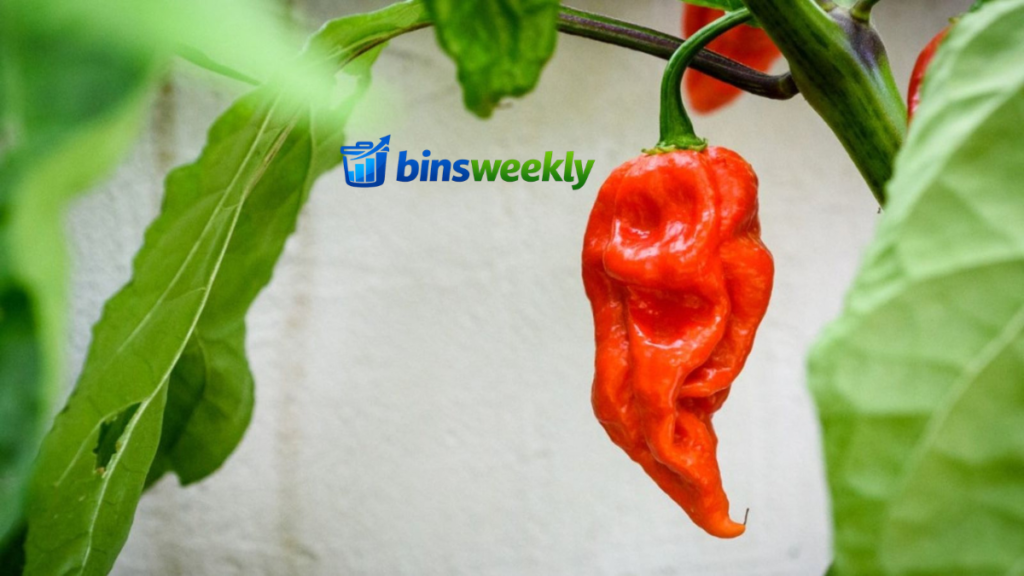
Ghost pepper originates from the northeastern regions of India, particularly Assam, Nagaland, and Manipur. Locally called “Bhut Jolokia,” the name loosely translates to “ghost chili,” which reflects its fiery and almost “haunting” heat level. For centuries, it has been a part of local diets and traditional cooking practices.
In rural Indian households, ghost pepper was often used in chutneys, pickles, and spicy curries. It also served practical purposes, such as keeping wild animals away from crops due to its intense pungency. This dual-purpose use made it an essential part of agricultural life in the region.
The global spotlight turned toward ghost pepper in the early 2000s when it was recognized by the Guinness World Records as one of the hottest chili peppers in the world. This recognition transformed it from a regional ingredient into an international sensation. Since then, it has been studied by scientists, chefs, and spice manufacturers worldwide.
Today, ghost pepper represents both cultural heritage and modern culinary experimentation, bridging traditional farming with global spice innovation.
Heat Level and Scoville Scale Explained
The heat of ghost pepper is measured using the Scoville Heat Unit (SHU) scale, which determines the concentration of capsaicin—the compound responsible for spiciness. Ghost pepper typically ranges between 800,000 to over 1,000,000 SHU, making it significantly hotter than most common chili peppers.
To put this into perspective, a jalapeño pepper measures around 2,500 to 8,000 SHU, while habanero peppers range between 100,000 to 350,000 SHU. This means ghost pepper can be up to 100 times hotter than a jalapeño, placing it in the extreme category of chili peppers.
The intense heat comes from a high concentration of capsaicin oil in the pepper’s placenta and seeds. When consumed, capsaicin triggers pain receptors in the mouth, creating a burning sensation that can spread throughout the body. This reaction is why ghost pepper is often used in very small quantities in food.
Despite its extreme heat, many spice lovers enjoy ghost pepper for its slow-building burn and unique fruity undertones. It delivers not just heat, but a complex flavor profile that enhances sauces and spicy dishes when used carefully.
Health Benefits and Nutritional Value
Ghost pepper is not only about heat—it also contains several nutritional and health-related benefits. It is rich in vitamin C, which helps boost immunity and protect the body from infections. It also contains antioxidants that may help reduce oxidative stress.
One of the most well-known benefits of capsaicin, the active compound in ghost pepper, is its ability to boost metabolism. It can temporarily increase body temperature, helping the body burn calories more efficiently. This is why capsaicin is often included in weight management supplements.
Additionally, capsaicin has been studied for its potential role in pain relief. It is used in topical creams to reduce muscle and joint pain by desensitizing nerve receptors over time. This makes ghost pepper indirectly valuable in pharmaceutical applications.
However, consuming ghost pepper in large amounts can lead to discomfort, including stomach irritation and excessive sweating. Like many extremely spicy foods, moderation is key to enjoying its benefits safely.
Culinary Uses of Ghost Pepper
Ghost pepper has become a favorite ingredient in the world of extreme cuisine. Chefs use it to create ultra-spicy sauces, marinades, and chutneys that deliver both heat and flavor. Even a small amount can completely transform a dish.
It is widely used in hot sauces and spicy snacks, often blended with other ingredients to balance its intensity. Ghost pepper chips, popcorn, and wings have become popular among thrill-seeking food lovers who enjoy pushing their spice limits.
In traditional cooking, ghost pepper is used in dried or powdered form to season curries and meat dishes. When used properly, it adds a smoky, fruity heat that enhances the overall flavor profile without overwhelming the dish.
However, due to its extreme potency, chefs handle ghost pepper with caution. Gloves and proper ventilation are often recommended during preparation to avoid irritation from capsaicin exposure.
Growing Ghost Peppers at Home
Growing ghost pepper requires warm climates and patience, as it is a slow-growing plant. It thrives in temperatures between 20°C and 30°C with plenty of sunlight. The soil should be well-drained and rich in organic matter.
Seeds typically take 2 to 4 weeks to germinate, and plants may take several months to produce mature peppers. Regular watering is essential, but overwatering should be avoided to prevent root rot.
As the plant grows, it requires support and protection from pests. Organic fertilizers can help improve yield and strengthen plant health. Harvesting is done when the peppers turn bright red, indicating full ripeness and maximum heat.
Home cultivation of ghost pepper is popular among gardening enthusiasts who enjoy growing exotic and spicy plants.
Conclusion
Ghost pepper stands as one of the most powerful and fascinating chili peppers in the world. From its humble origins in Northeast India to its global fame, it has become a symbol of extreme spice and culinary adventure.
Its intense heat, cultural roots, and growing popularity make it more than just a pepper—it is an experience. Whether used in cooking, science, or food challenges, ghost pepper continues to captivate spice lovers everywhere.
However, its power demands respect. Enjoyed responsibly, ghost pepper offers not just heat but a unique journey into the world of flavor and sensation.