

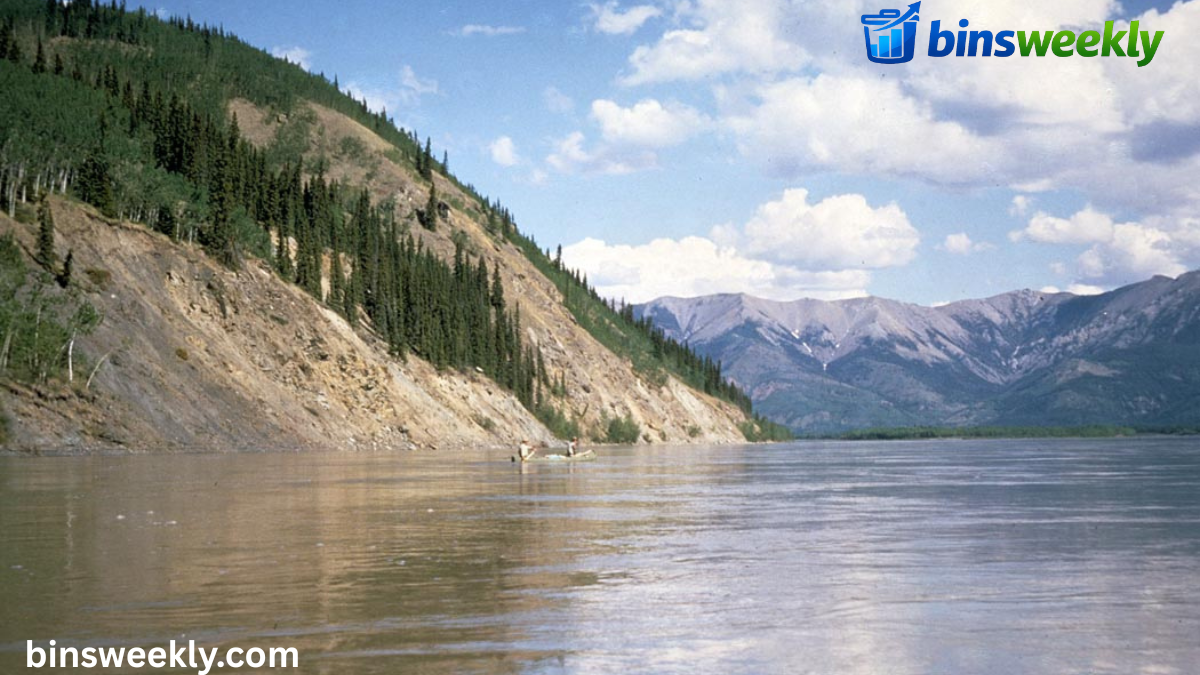
The rivers of the Yukon are among the most breathtaking and untouched waterways in the world, flowing through vast wilderness, towering mountains, and remote landscapes that seem frozen in time. Located in the far northwest of Yukon, these rivers are more than just bodies of water—they are lifelines that have shaped history, supported wildlife, and inspired generations of explorers. From glacial origins to winding forest channels, the rivers here tell stories of nature’s raw power and beauty. Whether you are an adventurer, a nature lover, or simply curious, the Yukon’s rivers offer a unique glimpse into one of the last great wild frontiers on Earth.
Beyond their scenic appeal, the rivers of the Yukon have played a vital role in human history, especially during the famous Klondike Gold Rush. Thousands of prospectors once navigated these waters in search of fortune, turning quiet riverbanks into bustling routes of hope and hardship. Today, these same rivers remain essential for local communities, wildlife habitats, and tourism activities like canoeing, fishing, and wildlife viewing. With crystal-clear waters, dramatic seasonal changes, and incredible biodiversity, the rivers continue to captivate all who encounter them.
Major Rivers of the Yukon
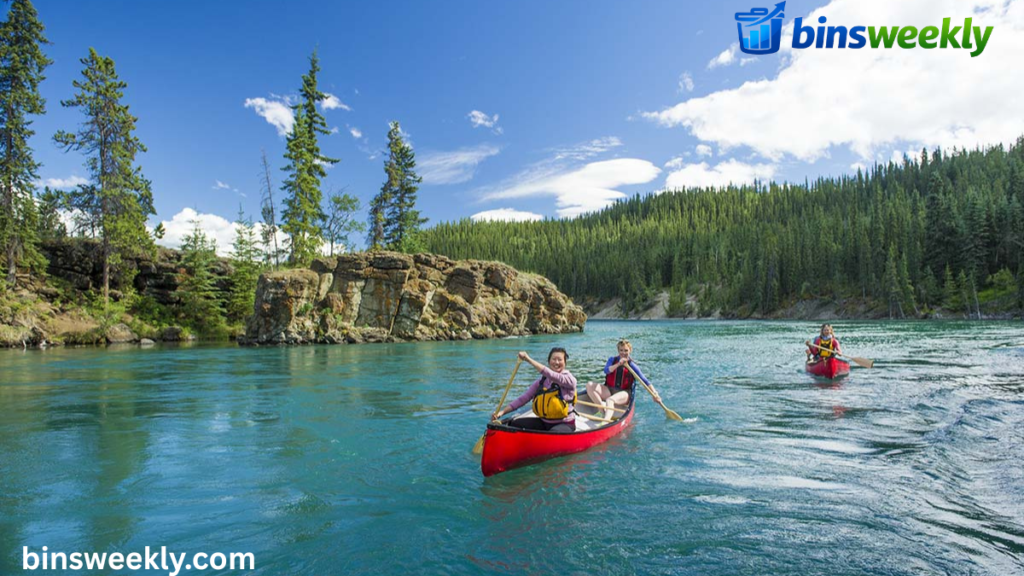
The rivers of the Yukon include several major waterways, each with its own character, size, and significance. The most famous is the mighty Yukon River, which stretches over 3,000 kilometers and flows all the way into Alaska. This river has long been a crucial transportation route, especially before modern roads were developed. Its wide channels and steady currents make it ideal for long-distance travel, and it remains a symbol of the region’s rugged spirit.
Another important waterway is the Klondike River, closely associated with gold mining history. Flowing through the town of Dawson City, this river witnessed the dramatic influx of gold seekers in the late 19th century. Its waters once carried dreams of wealth and adventure, and today it stands as a reminder of that transformative era.
The Pelly River is another significant contributor to the Yukon River system. Known for its swift currents and scenic surroundings, it offers excellent opportunities for kayaking and rafting. Similarly, the Stewart River adds to the network of waterways that define the region’s geography. Each of these rivers contributes to the larger ecosystem, making the rivers of the Yukon a complex and fascinating natural system.
Geography and Natural Landscape
Glacial Origins and Mountain Sources
Most of the rivers of the Yukon begin in glaciers and snow-covered mountains, particularly in the Coast Mountains. These icy sources feed the rivers with cold, mineral-rich water, giving them their distinct clarity and color. As the ice melts during warmer months, water levels rise, creating powerful flows that carve through valleys and shape the land over time.
The mountainous terrain not only feeds the rivers but also influences their direction and behavior. Narrow gorges, wide floodplains, and winding bends are all common features. This dynamic landscape makes every river journey unique, offering constantly changing views and challenges. The geography plays a crucial role in defining the identity of the rivers of the Yukon, making them both beautiful and unpredictable.
Forests, Valleys, and Wildlife Habitats
As the rivers flow downstream, they pass through dense forests and expansive valleys filled with life. The Yukon Territory is home to a wide variety of wildlife, including bears, moose, and eagles, all of which depend on these waterways. The rivers provide drinking water, food sources, and migration routes for many species.
In addition to large mammals, the rivers support rich fish populations, including salmon that travel long distances to spawn. The surrounding vegetation benefits from the nutrients carried by the rivers, creating lush ecosystems even in this northern climate. The rivers of the Yukon are not just geographical features—they are the foundation of a thriving natural environment.
Historical Importance of Yukon Rivers
The history of the rivers of the Yukon is deeply tied to human exploration and survival. Long before European settlers arrived, Indigenous communities used these rivers for transportation, fishing, and trade. Their knowledge of the waterways allowed them to live sustainably in a challenging environment.
The arrival of outsiders during the Klondike Gold Rush dramatically changed the region. Rivers became highways for thousands of prospectors traveling to gold fields. Boats, rafts, and even makeshift vessels filled the waters, creating a bustling and often dangerous scene. The Yukon River was especially important, serving as the main route into the interior.
Even after the gold rush ended, the rivers continued to play a key role in transportation and development. Settlements grew along their banks, and trade routes expanded. Today, the rivers still hold historical significance, attracting visitors interested in learning about this fascinating period.
Activities and Tourism Along Yukon Rivers
Canoeing, Rafting, and Adventure Travel
One of the most exciting aspects of the rivers of the Yukon is the wide range of outdoor activities they offer. Canoeing and rafting are particularly popular, allowing visitors to experience the wilderness up close. The calm sections of the Yukon River are perfect for beginners, while faster currents in rivers like the Pelly River provide challenges for experienced adventurers.
Traveling by water offers a unique perspective, with opportunities to see wildlife, remote landscapes, and stunning sunsets. Multi-day river trips are common, giving visitors a chance to fully immerse themselves in nature. These experiences highlight why the rivers of the Yukon are considered a paradise for outdoor enthusiasts.
Fishing and Wildlife Viewing
Fishing is another major attraction, with the rivers teeming with species like salmon and trout. Anglers from around the world visit the region to test their skills in these pristine waters. The abundance of fish also attracts predators, making wildlife viewing an exciting part of any trip.
Visitors often spot bears fishing along riverbanks, eagles soaring overhead, and moose grazing nearby. The combination of water and wildlife creates unforgettable moments. The rivers of the Yukon offer a rare chance to witness nature in its purest form, far from crowded tourist destinations.
Environmental Importance and Conservation
The rivers of the Yukon play a critical role in maintaining ecological balance. They regulate water flow, support biodiversity, and help sustain forests and wetlands. However, these rivers face challenges such as climate change, which affects glacier melt and water levels.
Efforts are being made to protect these waterways and preserve their natural beauty. Local communities, governments, and organizations work together to ensure sustainable use and conservation. Protecting the rivers means safeguarding the entire ecosystem that depends on them.
Maintaining the health of the rivers of the Yukon is essential for future generations. By promoting responsible tourism and environmental awareness, it is possible to enjoy these incredible waterways while preserving them for years to come.
Conclusion
The rivers of the Yukon are more than just scenic landscapes—they are living systems that connect history, culture, and nature in a powerful way. From their glacial beginnings to their vast networks across the wilderness, these rivers represent the untamed spirit of the North. They have supported human life, inspired exploration, and continue to offer adventure to those willing to explore their depths.
In a world where untouched nature is becoming increasingly rare, the rivers of the Yukon stand as a reminder of what still exists beyond modern development. Whether you dream of paddling through quiet waters, witnessing wildlife in its natural habitat, or simply learning about their history, these rivers provide an unforgettable experience. Preserving them is not just important—it is essential for maintaining the beauty and balance of our planet.
FAQs
What are the main rivers of the Yukon?
The Yukon River, Klondike River, Pelly River, and Stewart River are the main ones.
Where do the rivers of the Yukon start?
They mostly originate from glaciers and mountains.
Why are the rivers of the Yukon famous?
They are known for natural beauty and gold rush history.
Can you travel on Yukon rivers?
Yes, many rivers are used for canoeing and rafting.
What wildlife lives near these rivers?
Bears, moose, eagles, and salmon are common.
Are Yukon rivers safe for tourists?
Yes, with proper planning and safety measures.
What is the longest river in the Yukon?
The Yukon River is the longest and most famous.
Why are Yukon rivers important for the environment?
They support ecosystems and provide essential resources.