

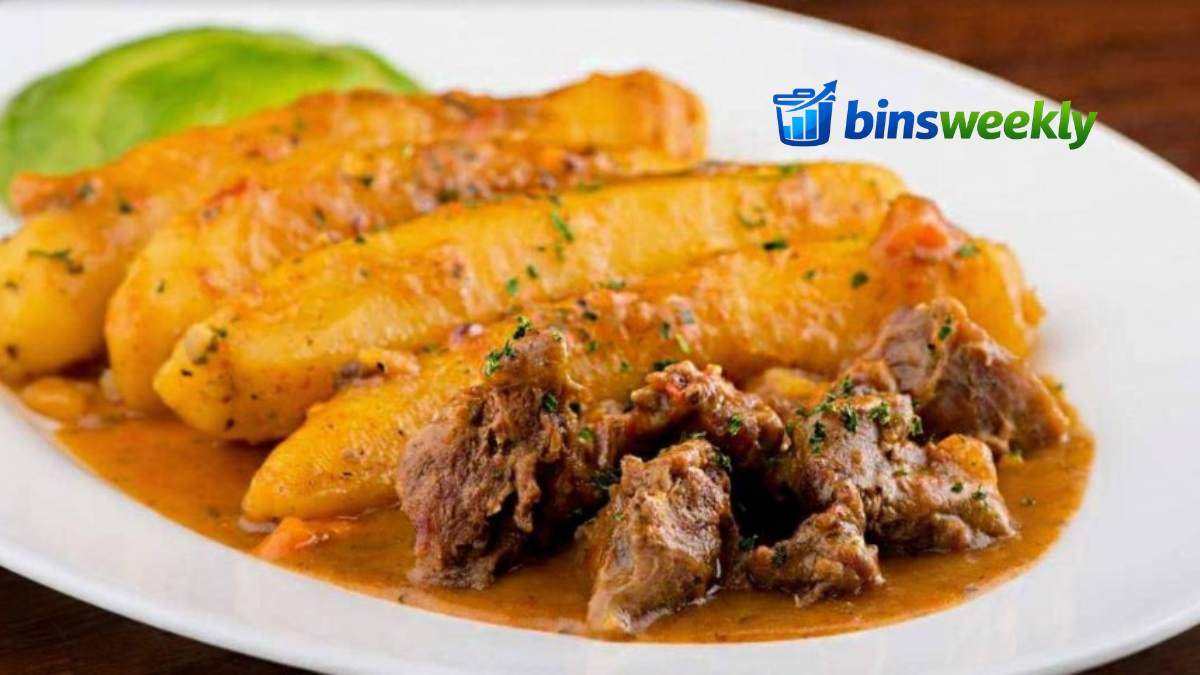
Matoke national dish is one of the most iconic traditional foods in East Africa, especially in Uganda, where it holds deep cultural, historical, and nutritional value. Made primarily from green cooking bananas, matoke is not just a meal but a symbol of identity, heritage, and unity among Ugandan communities. It is widely prepared in homes, served during ceremonies, and celebrated as a staple that represents the soul of Ugandan cuisine.
Beyond its cultural importance, matoke national dish is also known for its simplicity, versatility, and rich flavor when combined with ingredients like onions, tomatoes, and spices. It is a food that connects generations, from rural villages to modern urban kitchens. Understanding matoke means exploring more than just a recipe—it means discovering a tradition that has shaped daily life in Uganda for centuries.
Origins and History of Matoke
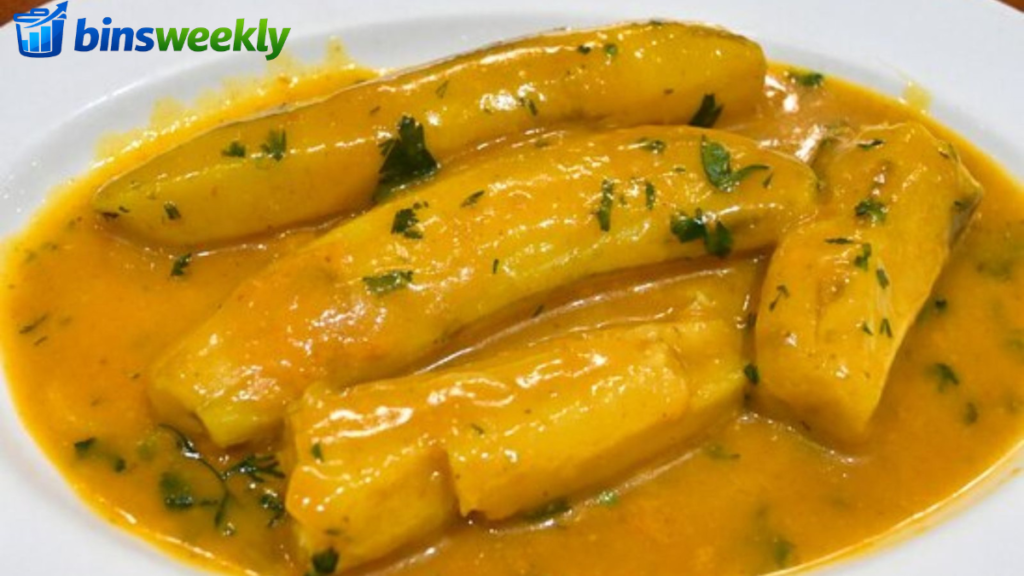
The origins of matoke national dish can be traced back to the Great Lakes region of Africa, where bananas were first cultivated thousands of years ago. Over time, Uganda became one of the central hubs for cooking banana cultivation, and matoke gradually evolved into a dietary staple. The fertile soil and favorable climate made it easy for communities to grow bananas year-round, ensuring a stable food supply.
Historically, matoke was not just food but also a sign of wealth, hospitality, and social connection. In ancient Ugandan kingdoms, matoke was often served during important gatherings, ceremonies, and royal feasts. Families would cultivate banana plantations, and harvesting matoke became a communal activity that strengthened social bonds. Even today, the dish carries this sense of unity and tradition, making it more than just a meal—it is a cultural heritage passed down through generations.
What is Matoke? Understanding the Dish
Matoke national dish is made from green, unripe cooking bananas that are very different from the sweet bananas commonly eaten as fruit. These bananas are firm, starchy, and ideal for boiling, steaming, or mashing. Once cooked, they develop a soft, smooth texture and a mild, comforting flavor that absorbs spices and sauces easily.
In Ugandan households, matoke is considered a daily essential food. It is typically peeled, wrapped in banana leaves, and steamed until tender. The result is a warm, hearty dish that can be enjoyed on its own or paired with sauces like beef stew, beans, or peanut-based gravies. Its versatility makes it suitable for both simple home meals and elaborate festive occasions, reflecting its importance in everyday life.
Traditional Preparation and Cooking Methods
The traditional preparation of matoke national dish is a carefully crafted process that reflects Uganda’s culinary heritage. Fresh green bananas are first peeled and cleaned thoroughly. In rural areas, families often use banana leaves to wrap the matoke before placing it in a steaming pot. This method enhances the aroma and gives the dish its unique earthy flavor.
Once steamed, the bananas are mashed and mixed with ingredients such as onions, tomatoes, garlic, and sometimes meat or groundnuts. The slow cooking process allows flavors to blend naturally, creating a rich and satisfying dish. In modern kitchens, pressure cookers and stoves have made preparation faster, but many households still prefer traditional methods because they preserve authenticity and taste.
Popular Matoke Recipes and Variations
Matoke national dish is highly versatile, with many regional and modern variations. One of the most popular versions is matoke served with beef stew, where tender meat is cooked in a rich tomato-based sauce and poured over mashed bananas. This combination creates a hearty and filling meal that is widely enjoyed across Uganda.
Another common variation is matoke with peanut sauce, which adds a creamy and nutty flavor to the dish. Vegetarian versions also exist, where matoke is cooked with vegetables such as carrots, peas, and spinach. In urban areas, chefs have introduced fusion recipes that blend matoke with international cooking styles, making it appealing to a global audience while still preserving its traditional roots.
Nutritional Value and Health Benefits
Matoke national dish is not only delicious but also highly nutritious. It is rich in carbohydrates, making it an excellent source of energy for daily activities. It also contains dietary fiber, which supports digestion and promotes gut health. Additionally, matoke provides essential vitamins like vitamin C and minerals such as potassium.
Compared to other staple foods like rice or potatoes, matoke is considered a healthier option due to its natural composition and lower fat content. It is suitable for a wide range of diets, including vegetarian and gluten-free lifestyles. Its slow-digesting carbohydrates help maintain energy levels throughout the day, making it a valuable part of a balanced diet.
Cultural Importance of Matoke in Uganda
Matoke national dish plays a central role in Ugandan culture and identity. It is often served during family gatherings, weddings, and traditional ceremonies, symbolizing unity and hospitality. Offering matoke to guests is considered a sign of respect and generosity, reflecting the deep cultural values associated with food sharing.
In rural communities, matoke farming is also an important economic activity. Many families depend on banana plantations for both food and income. Beyond its practical value, matoke represents a connection to ancestral traditions and is a source of national pride. It continues to be celebrated as one of the most important cultural foods in Uganda.
Matoke in Modern Times
In modern times, matoke national dish has evolved beyond traditional kitchens and is now featured in restaurants, hotels, and international food markets. Urbanization has influenced how it is prepared, with quicker cooking methods and new flavor combinations becoming more common. Despite these changes, its cultural essence remains strong.
Social media and food bloggers have also helped introduce matoke to a global audience, showcasing its uniqueness and versatility. However, challenges such as changing lifestyles and reduced farming in urban areas threaten traditional preparation methods. Still, efforts are being made to preserve this iconic dish as a symbol of Ugandan heritage.
Conclusion
Matoke national dish is far more than just a staple food—it is a cultural treasure deeply rooted in Uganda’s history and identity. From its ancient origins to its modern adaptations, matoke continues to bring people together and represent the spirit of community and tradition. Its nutritional value, versatility, and cultural importance make it one of the most significant dishes in East Africa.
As the world becomes more globalized, preserving traditional foods like matoke is essential for maintaining cultural diversity. Whether enjoyed in a rural home or a modern restaurant, matoke remains a powerful reminder of Uganda’s rich culinary heritage.
FAQs
Why is matoke considered Uganda’s national dish?
Matoke is deeply rooted in Ugandan culture, history, and daily life, making it a national symbol of identity and tradition.
What does matoke taste like?
It has a mild, starchy flavor with a soft texture that absorbs the taste of accompanying sauces and spices.
Is matoke healthy to eat?
Yes, it is rich in fiber, vitamins, and carbohydrates, making it a nutritious and energy-giving food.
How is matoke traditionally cooked?
It is peeled, wrapped in banana leaves, and steamed before being mashed and mixed with ingredients.
Can matoke be eaten outside Uganda?
Yes, it is available in African restaurants worldwide and can be made at home with green cooking bananas.
What foods go best with matoke?
Common pairings include beef stew, beans, vegetables, and peanut sauce.
What is the difference between matoke and regular bananas?
Matoke uses green cooking bananas, which are starchy and not sweet like dessert bananas.