

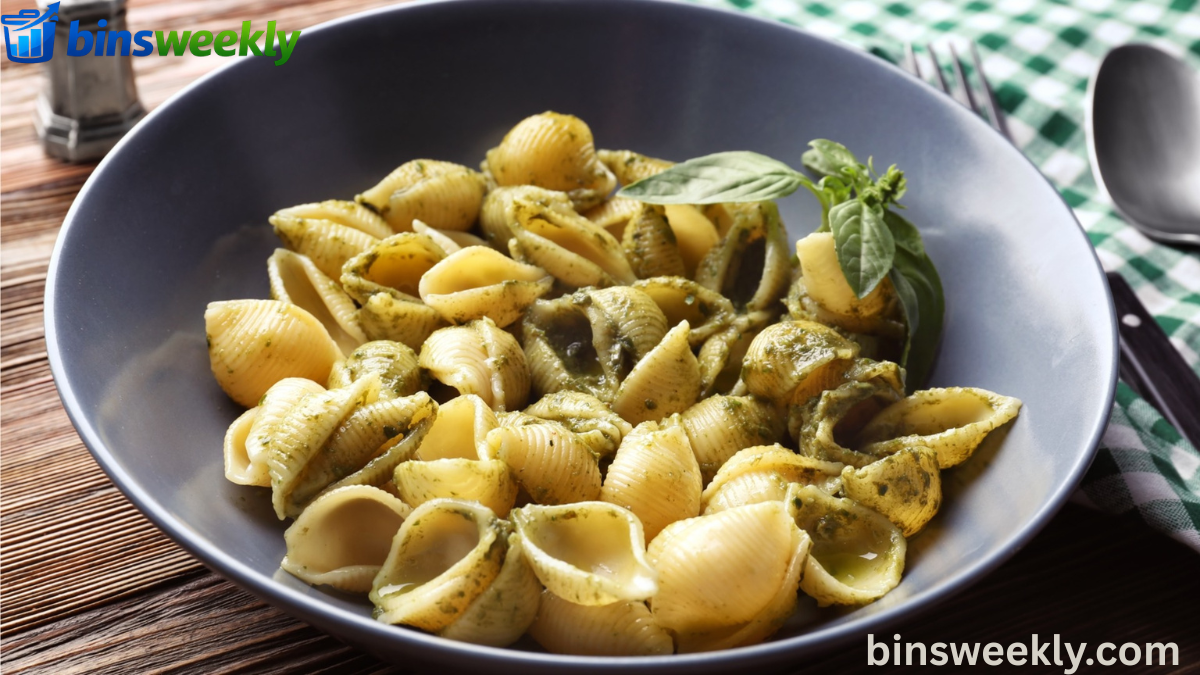
Conchiglie is often recognized for its unique shell shape, which resembles a seashell. This design is not only decorative but also practical, allowing sauces and ingredients to cling perfectly. In Italian cuisine, pasta shapes are carefully chosen based on the type of sauce, and conchiglie is ideal for thicker, richer sauces.
The popularity of conchiglie has grown globally due to its adaptability in various cuisines. From creamy Alfredo to spicy tomato-based dishes, this pasta works beautifully in different flavor profiles. Its structure makes it a favorite for baked dishes and pasta salads as well, offering endless culinary possibilities.
What is Conchiglie and Its Origin?
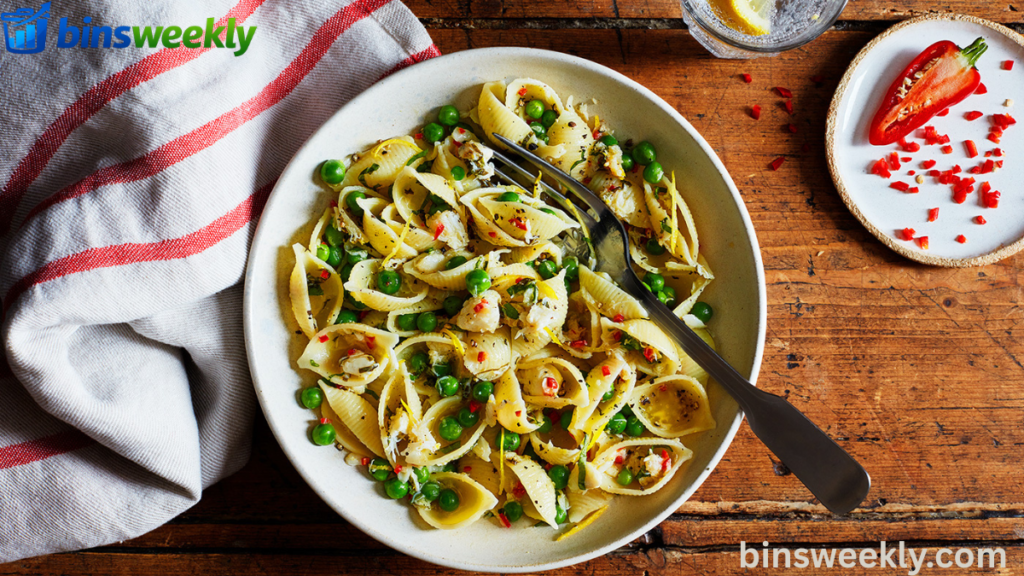
Conchiglie comes from the Italian word “conchiglia,” meaning “shell.” It is believed to have originated in Southern Italy, where pasta-making traditions have been passed down for generations. The shell shape was designed to enhance sauce absorption and improve texture in every bite.
Historically, conchiglie was made using simple durum wheat and water, rolled and shaped by hand. Over time, it became a commercial pasta staple available in different sizes. Today, it is produced globally and remains a key part of Italian culinary heritage, celebrated for its elegance and practicality.
Types of Conchiglie Pasta
There are several varieties of Conchiglie, each designed for specific culinary uses. The smallest version, known as conchigliette, is commonly used in soups and light salads due to its delicate size. Medium conchiglie is the most versatile and widely used for everyday pasta dishes.
Large conchiglie, also called conchiglioni, are perfect for stuffing with cheese, meat, or vegetables and baking in the oven. This variation is often used in gourmet recipes. Whole wheat and gluten-free versions are also available, catering to health-conscious and dietary-restricted individuals, making conchiglie accessible to everyone.
How to Cook Conchiglie Perfectly
Cooking Conchiglie requires attention to detail to achieve the perfect texture. It is important to boil the pasta in salted water and stir occasionally to prevent sticking. The goal is to achieve an al dente texture, where the pasta is firm yet tender.
Timing is crucial because overcooking can ruin the structure of conchiglie. Larger pieces may require slightly longer cooking times, while smaller ones cook quickly. Reserving a bit of pasta water helps in binding sauces better, enhancing the overall taste and consistency of the dish.
Best Sauces and Pairings for Conchiglie
One of the best qualities of Conchiglie is its ability to hold sauces inside its shell shape. Cream-based sauces like Alfredo or cheese sauce cling perfectly, creating a rich and satisfying flavor experience. Tomato-based sauces also work well, offering a tangy and robust taste.
Additionally, pesto and herb-based sauces bring freshness to the dish, while seafood combinations like shrimp or salmon add a gourmet touch. Vegetable-based sauces are ideal for healthier meals, making conchiglie a flexible choice for both indulgent and light recipes.
Popular Conchiglie Recipes and Uses
Conchiglie is used in a wide range of recipes, from simple home meals to restaurant-style dishes. One popular recipe includes creamy chicken and mushroom pasta, where the sauce fills the pasta shells perfectly. Another favorite is baked conchiglioni stuffed with ricotta and spinach.
Cold pasta salads using conchiglie are also popular during summer, combining fresh vegetables and light dressings. Vegan versions with olive oil, garlic, and seasonal vegetables offer a healthy alternative. Its adaptability makes it a staple ingredient in creative cooking.
Nutritional Value and Cooking Tips
Conchiglie provides a good source of carbohydrates, which supply energy for the body. Whole wheat varieties add extra fiber, making them a healthier option. It can be part of a balanced diet when paired with vegetables, lean proteins, and healthy fats.
To enhance nutritional value, it is best to avoid heavy cream sauces frequently and opt for tomato or vegetable-based alternatives. Proper portion control also helps maintain a healthy lifestyle while enjoying delicious pasta dishes. Conchiglie remains a satisfying yet flexible meal option.
Conclusion
In conclusion, Conchiglie is more than just a pasta shape—it is a culinary experience. Its unique structure, versatility, and ability to pair with countless ingredients make it a favorite across cultures. From traditional Italian recipes to modern fusion dishes, conchiglie continues to shine in global cuisine.
Whether baked, boiled, or served cold, it offers endless creativity in the kitchen. Its timeless appeal ensures that conchiglie will remain a staple in homes and restaurants for years to come.
FAQs
What is conchiglie used for?
It is used for pasta dishes, salads, soups, and baked meals.
How do you pronounce conchiglie?
It is pronounced “kon-KEEL-yay.”
Why is conchiglie popular?
Because its shell shape holds sauces and ingredients very well.
Can conchiglie be stuffed?
Yes, large conchiglioni are often stuffed and baked.
Is conchiglie healthy?
Yes, especially when made with whole wheat and paired with healthy ingredients.