

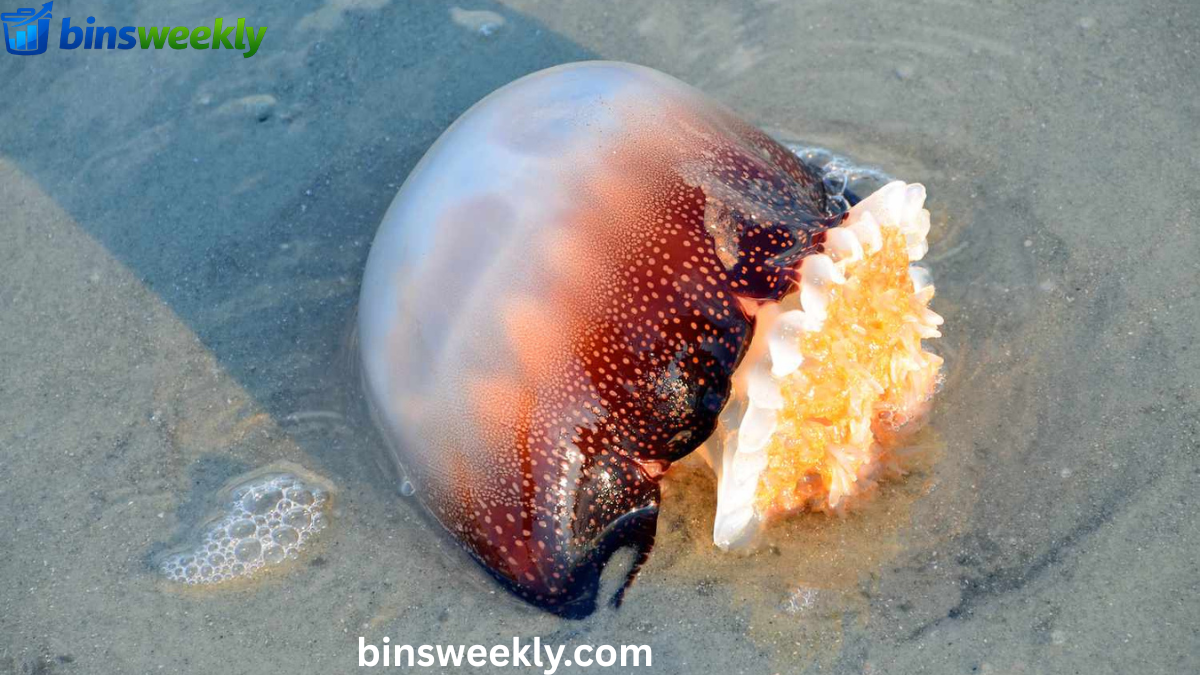
The ocean is home to countless strange and beautiful creatures, but few are as intriguing as the cannonball jellyfish. Known for its round, dome-shaped body and graceful movement through coastal waters, this species is one of the most recognizable jellyfish along the Atlantic and Gulf coasts. Unlike many of its stinging relatives, the cannonball jellyfish is often considered relatively harmless to humans, making it a subject of curiosity rather than fear. Still, its unique biology and ecological role make it an important part of marine life.
The cannonball jellyfish gets its name from its firm, rounded bell that resembles a floating cannonball drifting through the sea. These jellyfish are commonly seen in large groups near shorelines, especially during warmer months. Fishermen and beachgoers often encounter them unexpectedly, sometimes washing up in large numbers after storms. Despite their simple appearance, they play a significant role in ocean ecosystems by feeding on plankton and serving as food for sea turtles and other marine animals. Understanding the cannonball jellyfish helps us appreciate the balance of marine biodiversity and the delicate interactions within ocean environments.
What is a Cannonball Jellyfish?
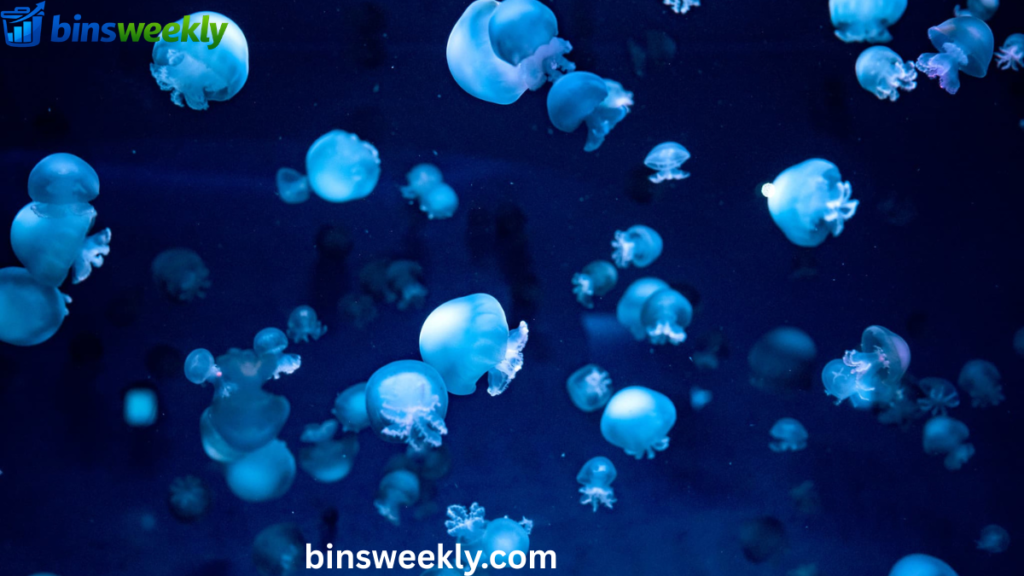
The cannonball jellyfish is scientifically known for its compact, spherical body and thick, gelatinous structure. Unlike many jellyfish that have long trailing tentacles, this species has short, stubby arms beneath its bell. Its appearance is often described as smooth and dome-like, which helps it stand out from other jellyfish species. The body is usually creamy white or slightly bluish, sometimes with brown or purple markings depending on its environment and diet.
One of the most interesting features of the cannonball jellyfish is its mild sting. While it does possess stinging cells called nematocysts, they are generally too weak to harm humans significantly. At most, contact may cause minor skin irritation or a slight burning sensation. This makes it one of the few jellyfish species that can be safely observed up close, although caution is still advised.
Physical Characteristics
The structure of the cannonball jellyfish is designed for efficiency in open water. Its bell can contract and expand, allowing it to move gently with ocean currents. This slow movement conserves energy and helps it drift across wide coastal regions. Inside its bell, it contains simple digestive structures that allow it to process plankton and small marine particles efficiently.
Habitat and Distribution
The cannonball jellyfish is primarily found in warm coastal waters of the western Atlantic Ocean. It is especially common along the southeastern United States, including the Gulf of Mexico and the Caribbean Sea. These regions provide ideal conditions for their survival due to warm temperatures and abundant plankton populations.
During certain seasons, the cannonball jellyfish migrates closer to shore in large groups. This movement is often influenced by ocean currents, wind patterns, and water temperature. Fishermen in states like Florida, Georgia, and the Carolinas frequently report sightings during spring and summer months.
Environmental Preferences
The cannonball jellyfish thrives in shallow coastal waters where food sources are abundant. It prefers estuaries, bays, and nearshore environments rather than deep ocean waters. These areas provide both protection and access to plankton, which forms the base of its diet.
Interestingly, changes in environmental conditions such as water temperature and salinity can significantly affect their population numbers. In some years, massive blooms occur, leading to thousands of cannonball jellyfish washing ashore. While these events may appear alarming, they are natural cycles within marine ecosystems.
Behavior and Diet of Cannonball Jellyfish
The behavior of the cannonball jellyfish is relatively simple but highly effective for survival. It relies mostly on ocean currents for movement rather than active swimming. By rhythmically contracting its bell, it can gently propel itself while conserving energy.
These jellyfish are not aggressive hunters. Instead, they are passive feeders, drifting through water while capturing food particles. Their diet mainly consists of plankton, fish larvae, and microscopic organisms floating in the sea.
Feeding Mechanism
The cannonball jellyfish uses its oral arms to collect food and transport it toward its mouth. Once inside, the food is broken down in a simple digestive cavity. This process is efficient enough to sustain its slow-moving lifestyle.
Unlike predatory sea creatures, the cannonball jellyfish does not chase its prey. Instead, it depends on chance encounters as it floats through nutrient-rich waters. This passive feeding strategy allows it to survive in large numbers even in changing ocean conditions.
Ecological Importance and Human Interaction
The cannonball jellyfish plays a vital role in marine ecosystems. It helps control plankton populations, maintaining balance in the food chain. At the same time, it serves as a food source for sea turtles, especially the endangered loggerhead turtle, which relies heavily on jellyfish as part of its diet.
In many coastal regions, the presence of the cannonball jellyfish is an indicator of ecosystem health. Large blooms can signal changes in water temperature or nutrient levels, which scientists study to better understand climate impacts on marine life.
Human Encounters
Humans often encounter the cannonball jellyfish while swimming, fishing, or walking along the beach. Because its sting is mild, it is generally not considered dangerous. However, large swarms can interfere with fishing nets and local tourism activities.
In some areas, these jellyfish are even harvested and exported for use in food markets, particularly in parts of Asia where jellyfish are processed into edible products. Although not a major commercial species globally, the cannonball jellyfish still contributes to regional economies.
Life Cycle and Reproduction
The life cycle of the cannonball jellyfish follows a typical jellyfish pattern, beginning as a tiny larva called a planula. This larva eventually settles on the ocean floor and develops into a polyp. Over time, the polyp buds off new jellyfish that grow into mature adults.
Reproduction is highly seasonal and influenced by environmental conditions. Warm waters and abundant food sources encourage rapid population growth, which is why large blooms of cannonball jellyfish are often seen during certain times of the year.
These cycles are essential for maintaining population balance and ensuring the survival of the species. Despite their simple structure, the cannonball jellyfish has a surprisingly efficient reproductive system.
Conclusion
The cannonball jellyfish is a remarkable example of simplicity and survival in the marine world. Its rounded shape, gentle movement, and passive feeding habits make it one of the most unique jellyfish species in coastal ecosystems. While often overlooked, it plays a crucial role in maintaining ocean balance by supporting food chains and interacting with other marine species.
Understanding the cannonball jellyfish helps us appreciate how even the simplest creatures contribute to the complexity of ocean life. From its seasonal migrations to its ecological importance, this jellyfish continues to fascinate scientists and beach lovers alike.
FAQs
What is a cannonball jellyfish?
A round, dome-shaped jellyfish commonly found in warm coastal waters.
Is a cannonball jellyfish dangerous to humans?
No, its sting is very mild and usually not harmful.
Where are cannonball jellyfish found?
They are mainly found in the Atlantic Ocean and Gulf of Mexico.
What do cannonball jellyfish eat?
They feed on plankton, fish larvae, and tiny marine organisms.
Do cannonball jellyfish swim actively?
No, they mostly drift with ocean currents.
Why are they called cannonball jellyfish?
Because their round shape resembles a cannonball.
What eats cannonball jellyfish?
Sea turtles, especially loggerhead turtles, are their main predators.
Are cannonball jellyfish useful to the ecosystem?
Yes, they help maintain plankton balance and support marine food chains.