

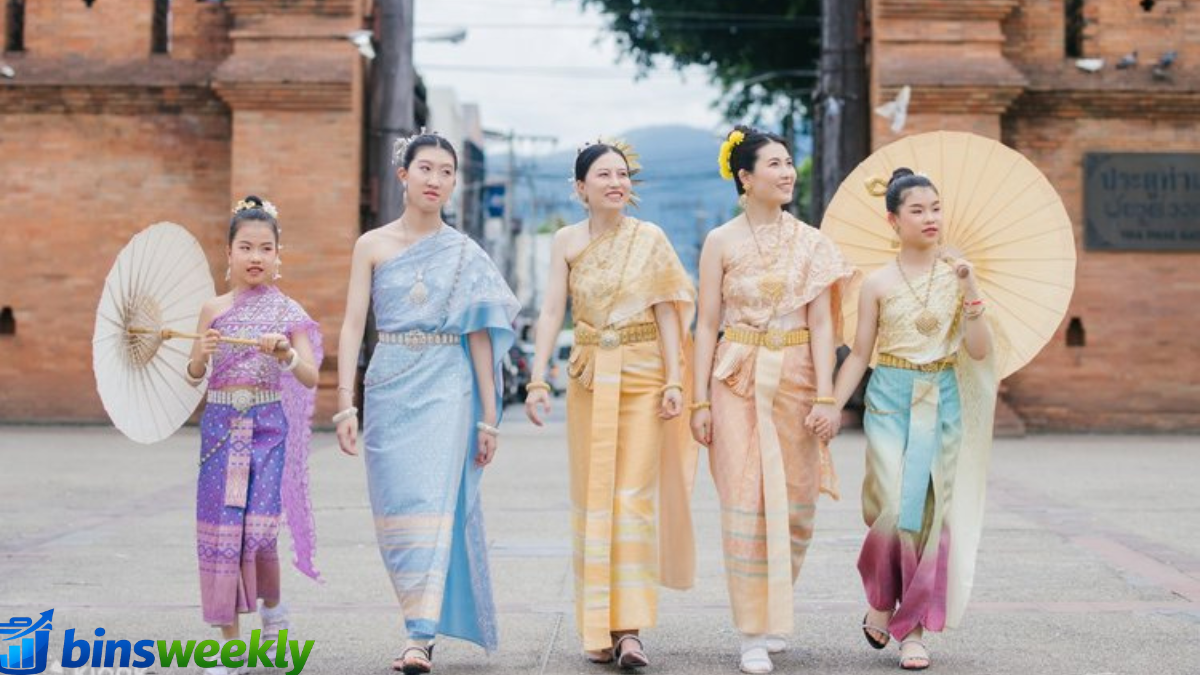
Chut Thai refers to the traditional clothing of Thailand, a graceful and culturally rich form of dress that reflects the nation’s deep heritage, values, and artistic identity. The term “Chut Thai” literally means “Thai outfit,” but it represents much more than clothing—it is a symbol of elegance, respect, and national pride. Worn during formal occasions, religious ceremonies, weddings, and cultural events, Chut Thai continues to hold a significant place in Thai society today.
What makes Chut Thai unique is its blend of simplicity and sophistication. Each design is carefully crafted to represent Thai aesthetics, often inspired by royal traditions and historical influences. The outfit varies depending on the occasion, gender, and level of formality, making it one of the most versatile traditional costumes in Southeast Asia. In modern times, Chut Thai is not only preserved as cultural heritage but also celebrated in fashion shows, tourism promotions, and international cultural events.
Historical Background of Chut Thai
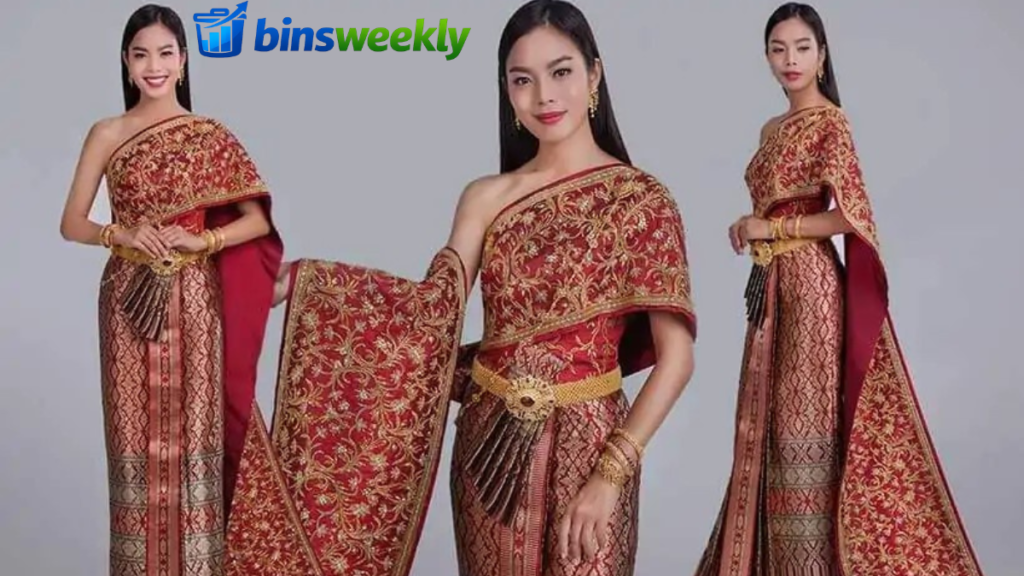
The history of Chut Thai dates back centuries, deeply rooted in the cultural evolution of the Thai kingdom. Traditional Thai clothing was initially influenced by practical needs, climate conditions, and social hierarchy. Over time, especially during the Ayutthaya and Rattanakosin periods, clothing became more refined and symbolic, reflecting status and royal influence.
Royal courts played a major role in shaping what is now recognized as Chut Thai. Queens and noblewomen introduced elegant silk garments, intricate patterns, and sophisticated draping styles that gradually became standardized. These designs were not just fashion statements but also indicators of social class, identity, and cultural refinement. Men’s traditional clothing also evolved in parallel, emphasizing dignity and structure.
As Thailand modernized in the 19th and 20th centuries, efforts were made to preserve traditional attire while adapting it for national identity. The government and cultural institutions helped define official Chut Thai styles, ensuring that the tradition remained alive in ceremonies and national celebrations. Today, Chut Thai stands as a living link between Thailand’s past and present.
Types of Chut Thai (Traditional Variations)
Chut Thai is not a single outfit but a collection of distinct styles designed for different occasions. One of the most recognized forms is Chut Thai Chakkri, known for its elegant silk draping and formal appearance. It is often worn at weddings and ceremonial events, featuring a tube skirt and a gracefully draped shawl that highlights femininity and sophistication.
Another important style is Chut Thai Boromphiman, which is considered highly formal and often associated with royal-inspired fashion. This outfit typically includes long sleeves and luxurious silk fabrics, making it suitable for evening events and official ceremonies. Similarly, Chut Thai Siwalai offers a semi-formal option, combining elegance with slightly more relaxed styling, ideal for receptions and cultural gatherings.
For everyday formal use, Chut Thai Chitlada is commonly worn, especially by women attending daytime ceremonies. It is simpler in design but still maintains traditional charm. Men’s Chut Thai styles also vary, often consisting of silk shirts paired with trousers or traditional jackets, reflecting dignity and cultural identity in a more structured form.
Cultural Significance of Chut Thai
Chut Thai is deeply embedded in Thai culture and serves as a powerful symbol of national identity. It represents respect for tradition, beauty in simplicity, and pride in cultural heritage. Wearing Chut Thai during important events is not just a fashion choice but a cultural expression that connects individuals to their roots and community values.
The colors, fabrics, and patterns used in Chut Thai often carry symbolic meanings. Gold tones may represent prosperity and royalty, while silk signifies elegance and refinement. Each design is carefully chosen to reflect the occasion and social importance of the wearer. This attention to detail highlights Thailand’s artistic traditions and cultural sensitivity.
In modern society, Chut Thai also plays a major role in promoting tourism and cultural diplomacy. It is frequently showcased in international events, fashion exhibitions, and national celebrations, helping to introduce Thai heritage to the world. This global recognition has strengthened its status as a cultural icon.
Materials, Fabrics, and Craftsmanship
One of the most remarkable aspects of Chut Thai is the craftsmanship behind it. Traditional Thai silk is the most commonly used fabric, known for its smooth texture, durability, and natural shine. Cotton and brocade are also used depending on the style and occasion, offering variety in texture and appearance.
The production of Chut Thai involves highly skilled artisans who often rely on traditional weaving techniques passed down through generations. In many regions of Thailand, silk weaving is still a community-based craft, with families dedicating their lives to preserving this heritage. Each piece of fabric can take weeks or even months to complete, depending on its complexity.
Embroidery and decorative patterns further enhance the beauty of Chut Thai. Floral motifs, geometric designs, and royal-inspired patterns are carefully incorporated to reflect cultural symbolism. This level of craftsmanship makes every Chut Thai outfit not just clothing, but a work of art.
Chut Thai in Modern Fashion
In recent years, Chut Thai has experienced a revival in modern fashion. Thai designers are creatively blending traditional elements with contemporary styles, making the outfit more versatile for younger generations. This fusion allows Chut Thai to remain relevant while preserving its cultural essence.
Today, Chut Thai is commonly worn at weddings, graduation ceremonies, and formal events. It has also gained international attention, with Thai celebrities and beauty queens showcasing it on global platforms. This exposure has helped Chut Thai become a recognizable symbol of Thai culture worldwide.
Fashion industries have also embraced Chut Thai as inspiration for modern collections. Designers incorporate silk patterns, draping techniques, and traditional motifs into everyday wear, ensuring that cultural heritage continues to influence contemporary fashion trends.
Conclusion
Chut Thai is more than just traditional clothing—it is a living representation of Thailand’s history, identity, and artistic excellence. From royal courts to modern fashion runways, it has evolved while maintaining its cultural essence. Each style, fabric, and design tells a story of heritage and pride.
As Thailand continues to grow in a globalized world, Chut Thai remains a powerful reminder of cultural roots. Its presence in ceremonies, festivals, and international events ensures that this elegant tradition will continue to inspire future generations while preserving the beauty of Thai identity.
FAQs
What is Chut Thai?
Chut Thai is the traditional clothing of Thailand, worn during ceremonies, festivals, and formal occasions.
When is Chut Thai worn?
It is commonly worn at weddings, religious ceremonies, national events, and cultural celebrations.
Is Chut Thai still popular today?
Yes, it remains widely used in modern Thailand, especially for formal and cultural events.
What materials are used in Chut Thai?
Silk is the most common material, along with cotton and brocade fabrics.
Are there different types of Chut Thai?
Yes, including Chakkri, Boromphiman, Siwalai, and Chitlada styles.
Can tourists wear Chut Thai?
Yes, tourists often wear Chut Thai during cultural visits and photography sessions.
Why is Chut Thai important?
It represents Thai heritage, cultural identity, and traditional craftsmanship.