

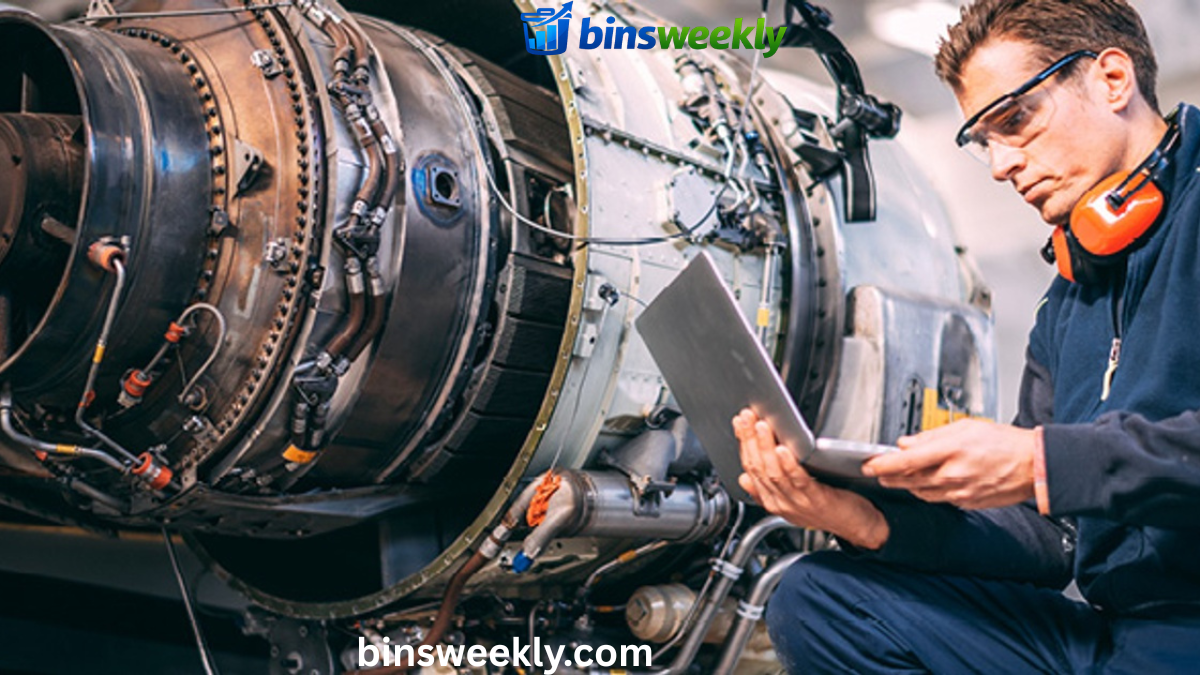
Aircraft maintenance engg maintenance is one of the most critical pillars of modern aviation. Every safe flight you take, every smooth landing, and every on-time departure depends on highly skilled professionals working behind the scenes. The field of aircraft maintenance engg ensures that airplanes remain in perfect working condition, following strict safety standards set by global aviation authorities. Without this discipline, the aviation industry would simply not be able to function safely or efficiently. From checking engines to inspecting electronic systems, these engineers handle a wide range of responsibilities that directly impact passenger safety and aircraft performance.
In today’s fast-growing aviation world, the demand for skilled professionals in aircraft maintenance engg is increasing rapidly. Airlines are expanding their fleets, new airports are being built, and air travel is becoming more accessible than ever before. This growth has created a strong need for trained engineers who can inspect, repair, and certify aircraft for safe operation. It is not just a technical job but a career that requires precision, discipline, and deep understanding of aviation systems. Whether working at international airports, maintenance hangars, or training centers, professionals in this field play a vital role in keeping the skies safe.
What is Aircraft Maintenance Engg?
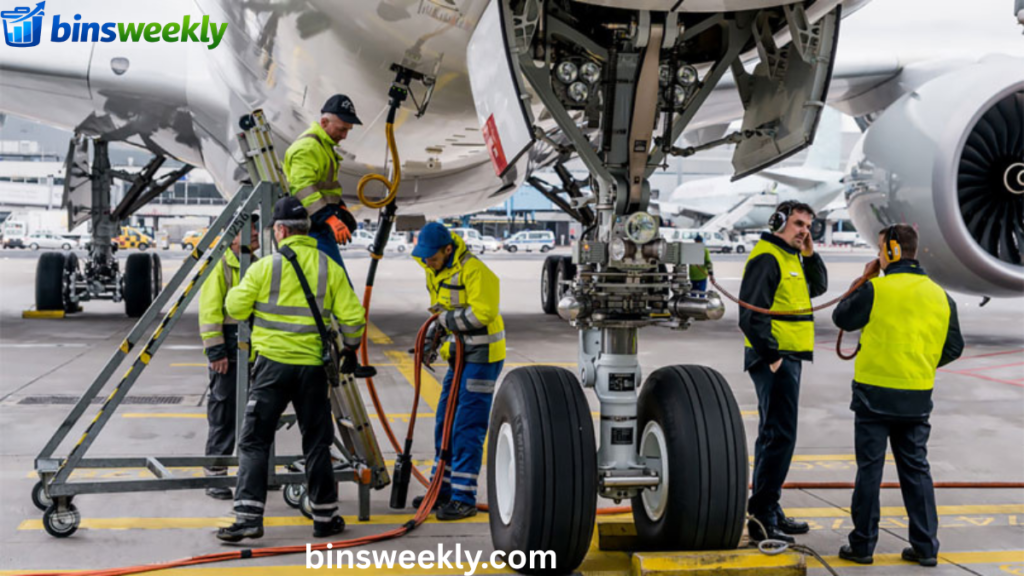
Aircraft maintenance engg is a specialized branch of engineering focused on maintaining, repairing, and ensuring the safety of aircraft. It involves systematic inspection of mechanical, electrical, and structural components of an aircraft. Every airplane must go through regular maintenance checks before it is cleared for flight. These checks include routine inspections, scheduled servicing, and emergency repairs when needed. Engineers in this field follow strict guidelines set by aviation authorities such as ICAO and FAA to ensure compliance with global safety standards.
The core purpose of aircraft maintenance engg is to prevent technical failures and ensure that aircraft operate safely under all conditions. This includes monitoring engines, hydraulic systems, landing gear, navigation systems, and avionics. Even the smallest issue, if ignored, can lead to serious consequences. Therefore, engineers must be highly attentive and detail-oriented. Their work ensures not only passenger safety but also the efficiency and reliability of airline operations worldwide.
Another important aspect of aircraft maintenance engg is documentation. Every repair, inspection, and replacement must be recorded accurately. These records help track the aircraft’s condition over time and ensure that all maintenance schedules are followed properly. This systematic approach makes aviation one of the safest modes of transportation in the world.
Roles and Responsibilities in Aircraft Maintenance Engg
Professionals working in aircraft maintenance engg carry a wide range of responsibilities. One of their primary roles is performing pre-flight and post-flight inspections. Before an aircraft takes off, engineers carefully examine all systems to ensure everything is functioning correctly. After landing, they check for any wear, damage, or technical issues that may have occurred during flight.
Another key responsibility is troubleshooting and repairing mechanical or technical faults. In aircraft maintenance engg, engineers must quickly identify problems in engines, electrical wiring, or control systems and fix them without delay. Aircraft downtime is expensive for airlines, so efficiency and accuracy are extremely important in this role.
They also play a crucial role in preventive maintenance. Instead of waiting for a failure to occur, engineers in aircraft maintenance engg follow scheduled maintenance programs. These programs include regular servicing of components such as turbines, brakes, and avionics systems. This proactive approach reduces the risk of accidents and improves aircraft lifespan.
In addition, engineers often work in coordination with pilots, air traffic controllers, and airline management teams. Clear communication is essential in aircraft maintenance engg, as any miscommunication can affect flight safety. They also ensure compliance with international aviation safety regulations, making their role both technical and regulatory in nature.
Skills and Education Required for Aircraft Maintenance Engg
To build a successful career in aircraft maintenance engg, individuals must have strong technical knowledge and practical skills. A background in physics, mathematics, and engineering is essential. Most professionals start with a diploma or degree in aeronautical or mechanical engineering, followed by specialized aviation training.
Attention to detail is one of the most important skills in aircraft maintenance engg. Engineers must be able to detect even the smallest signs of wear or malfunction. Problem-solving skills are equally important, as aircraft systems are highly complex and require quick, accurate decisions during repairs or inspections.
Training Institutes and Locations
Many aviation training centers and institutes around the world offer programs in aircraft maintenance engg. In countries with strong aviation industries, such as the United Arab Emirates, the United Kingdom, and Pakistan, students can find specialized academies near major airports. These training centers often include hands-on experience in hangars, where students work on real aircraft under expert supervision.
Practical training is a major part of aircraft maintenance engg education. Students learn how to use diagnostic tools, interpret technical manuals, and perform system checks. They also study aviation laws, safety procedures, and international maintenance standards. This combination of theory and practice prepares them for real-world challenges in the aviation industry.
Career Opportunities and Salary in Aircraft Maintenance Engg
The aviation industry offers excellent career opportunities for professionals in aircraft maintenance engg. Graduates can work with commercial airlines, military aviation units, aircraft manufacturing companies, and airport maintenance departments. Some also find opportunities in aircraft leasing companies and aviation regulatory authorities.
Job roles in aircraft maintenance engg include aircraft technician, licensed maintenance engineer, avionics specialist, and quality control inspector. With experience, professionals can move into senior positions such as maintenance supervisor or technical manager. The career path is structured and offers long-term growth.
Salaries in aircraft maintenance engg vary depending on experience, location, and employer. Entry-level technicians may start with moderate salaries, but experienced engineers earn significantly higher incomes. International airlines and aviation companies often offer attractive salary packages, along with benefits such as travel allowances and training opportunities.
The demand for skilled professionals in aircraft maintenance engg is expected to grow steadily in the coming years. With the expansion of global air travel and increasing fleet sizes, airlines will continue to hire qualified engineers to ensure safety and efficiency.
Future of Aircraft Maintenance Engg
The future of aircraft maintenance engg is closely tied to technological advancements in aviation. Modern aircraft are becoming more advanced, with digital systems, automated controls, and smart diagnostics. This means engineers must continuously upgrade their skills to keep up with new technologies.
Artificial intelligence and predictive maintenance are transforming aircraft maintenance engg. Instead of waiting for issues to occur, advanced systems can now predict potential failures before they happen. This improves safety and reduces maintenance costs for airlines.
Another major trend is the use of eco-friendly aircraft technologies. As the aviation industry moves toward sustainability, engineers in aircraft maintenance engg will play a key role in maintaining electric and hybrid aircraft in the future. This shift will create new opportunities and require updated training programs.
Conclusion
Aircraft maintenance engg is a vital and highly respected profession in the aviation industry. It ensures that every aircraft flying in the sky meets strict safety and performance standards. Without these skilled professionals, modern air travel would not be possible. Their dedication, technical expertise, and attention to detail make aviation one of the safest transportation systems in the world.
As the aviation industry continues to grow, aircraft maintenance engg will remain a promising and rewarding career path. With the rise of new technologies and increasing global travel demand, the importance of this field will only continue to expand, offering endless opportunities for future engineers.
FAQs
What is aircraft maintenance engg?
It is the field of engineering focused on inspecting, repairing, and maintaining aircraft for safe operation.
Is aircraft maintenance engg a good career?
Yes, it offers strong job opportunities, good salary potential, and global demand.
What qualifications are needed for aircraft maintenance engg?
A diploma or degree in aeronautical or mechanical engineering with aviation training is required.
Where can I study aircraft maintenance engg?
You can study it at aviation academies and institutes near major airports worldwide.
What skills are important in aircraft maintenance engg?
Attention to detail, technical knowledge, problem-solving, and teamwork are essential.
Do aircraft maintenance engineers travel?
Yes, many professionals travel depending on airline assignments and job roles.
Is aircraft maintenance engg difficult?
It is challenging due to technical complexity but highly rewarding with proper training.
What is the future scope of aircraft maintenance engg?
It has a strong future with growing demand and advancements in aviation technology.