

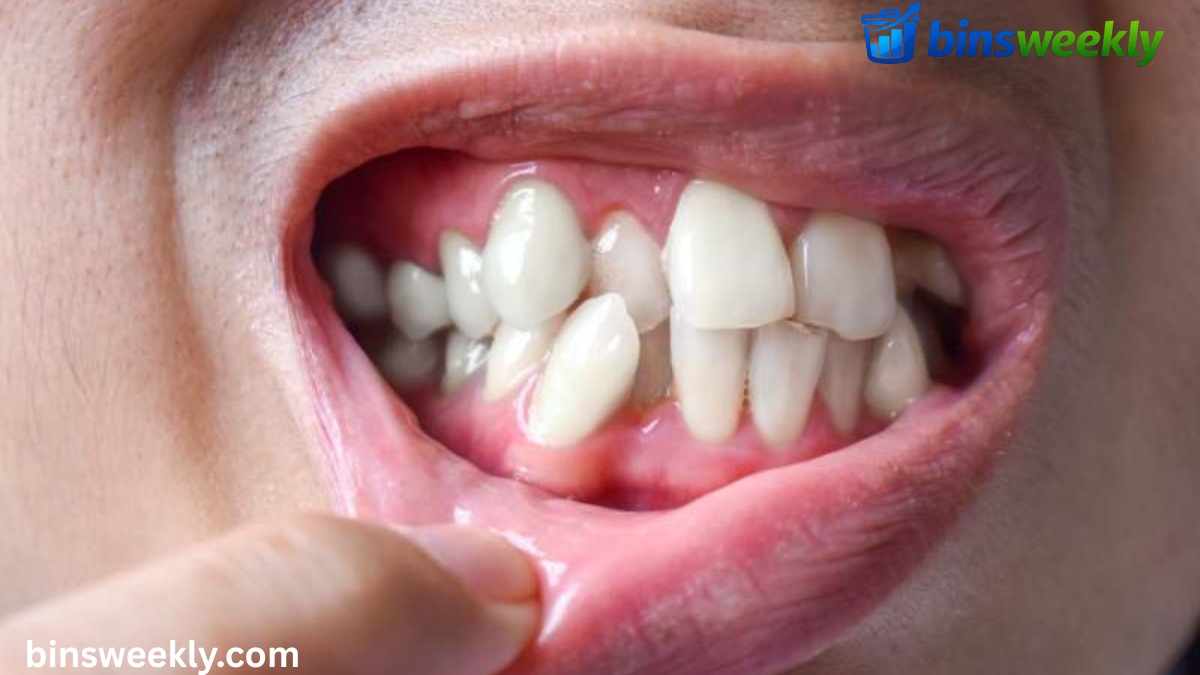
A snaggle tooth is a term often used to describe a tooth that is noticeably misaligned, protruding, or positioned irregularly compared to the rest of the teeth. While the phrase may sound informal or even playful, it represents a real dental condition that affects millions of people worldwide. For some, a snaggle tooth becomes a unique feature that adds character to their smile, while for others, it may cause discomfort, confidence issues, or even oral health concerns. Understanding what a snaggle tooth is and how it develops can help people make informed decisions about their dental health.
In today’s world, where appearance and confidence often go hand in hand, the idea of having a snaggle tooth can feel concerning. However, it’s important to know that this condition is not uncommon and can be addressed with modern dental solutions. From genetics to habits formed during childhood, there are multiple reasons why someone might develop a snaggle tooth. This article will explore everything you need to know, including causes, impacts, treatments, and whether fixing it is always necessary. By the end, you’ll have a clearer understanding of how a snaggle tooth fits into both health and aesthetics.
What Is a Snaggle Tooth?
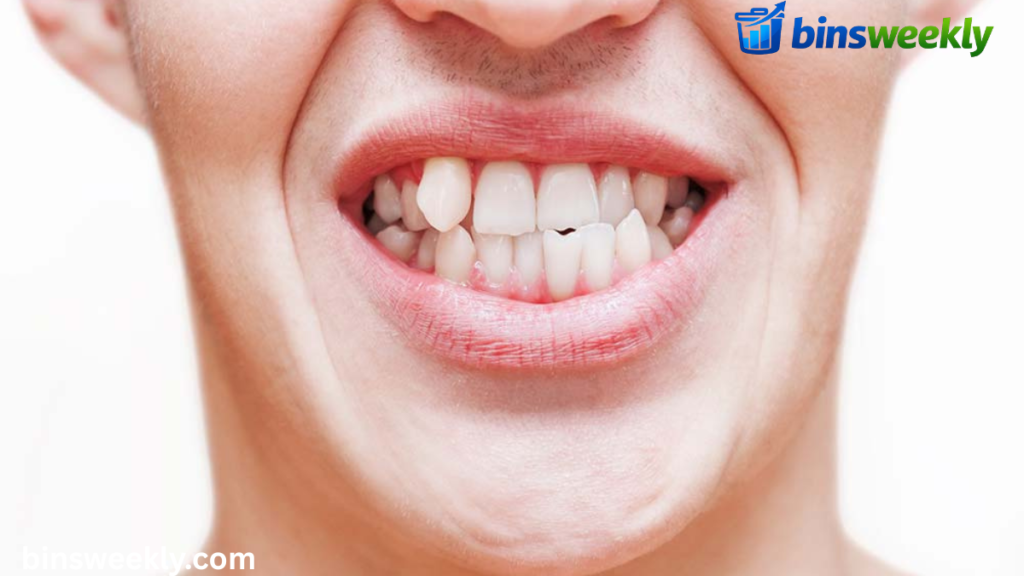
A snaggle tooth refers to a tooth that is misaligned, often sticking out at an angle or positioned differently from the rest of the teeth. This condition usually affects the front teeth, making it more visible when a person smiles or speaks. While some people may view a snaggle tooth as a cosmetic flaw, others see it as a charming feature that adds uniqueness to their appearance. The perception largely depends on cultural trends and personal preferences.
In dental terms, a snaggle tooth is a type of malocclusion, which means improper alignment of the teeth. It can occur when there isn’t enough space in the mouth for teeth to grow properly, causing one or more teeth to shift out of place. This misalignment can range from mild to severe, depending on how much the tooth deviates from its normal position.
Interestingly, not all cases of snaggle tooth require medical intervention. Some individuals live comfortably with it without experiencing any discomfort or health issues. However, when it interferes with chewing, speech, or oral hygiene, it may require professional attention. Understanding the nature of a is the first step in deciding whether treatment is necessary.
Common Causes of a Snaggle Tooth
Genetic Factors
One of the most common causes of a is genetics. If your parents or grandparents had misaligned teeth, there’s a higher chance you might develop a similar condition. Genetics can influence jaw size, tooth size, and the overall alignment of teeth, making some people more prone to developing a than others.
When the jaw is too small to accommodate all teeth, crowding occurs. This crowding often forces one tooth to grow out of alignment, resulting in a snaggle tooth. Similarly, if teeth are too large for the jaw, they may not fit properly, leading to irregular positioning.
Childhood Habits
Certain habits during childhood can also contribute to the development of a . Thumb sucking, prolonged use of pacifiers, and tongue thrusting can all affect the alignment of teeth over time. These habits put pressure on developing teeth, causing them to shift from their natural positions.
Additionally, early or late loss of baby teeth can impact how permanent teeth grow in. If a baby tooth falls out too soon, neighboring teeth may shift into the empty space, leaving less room for the permanent tooth to emerge correctly. This can result in a snaggle tooth later in life.
Injury or Trauma
Physical injury to the mouth or jaw can also lead to a. Accidents, sports injuries, or falls may cause teeth to shift or grow incorrectly. Even minor trauma during childhood can affect how teeth develop, leading to long-term alignment issues.
In some cases, untreated dental trauma can worsen over time, making the misalignment more noticeable. This is why timely dental care is crucial after any injury involving the teeth or jaw.
Effects of a Snaggle Tooth on Oral Health
A snaggle tooth is not always just a cosmetic concern—it can also impact oral health. Misaligned teeth can make it difficult to clean certain areas of the mouth properly. Food particles and plaque may accumulate around the irregular tooth, increasing the risk of cavities and gum disease.
When brushing and flossing become challenging, maintaining good oral hygiene requires extra effort. Over time, poor cleaning around a can lead to issues such as tooth decay or inflammation of the gums. This highlights the importance of regular dental check-ups for individuals with misaligned teeth.
Another potential issue is bite misalignment. A can affect how the upper and lower teeth come together, leading to uneven pressure during chewing. This can cause discomfort, jaw pain, or even headaches in some cases. Addressing these problems early can prevent more serious complications later.
Treatment Options for a Snaggle Tooth
Orthodontic Solutions
One of the most common ways to correct a snaggle tooth is through orthodontic treatment. Braces and clear aligners are widely used to gradually move teeth into their proper positions. These treatments are effective for both mild and severe cases of misalignment.
Braces use brackets and wires to apply consistent pressure on the teeth, guiding them into alignment over time. Clear aligners, on the other hand, are removable and less noticeable, making them a popular choice for adults who want a discreet solution for a snaggle tooth.
Cosmetic Dentistry
For those who are mainly concerned about appearance, cosmetic dentistry offers several options. Dental veneers, bonding, and reshaping can improve the look of a without extensive orthodontic treatment. These procedures are often quicker but may not address underlying alignment issues.
Veneers are thin shells placed over the front of the tooth to create a more uniform appearance. Bonding involves applying a tooth-colored resin to reshape the tooth. These methods can significantly enhance a smile, especially in mild cases.
Surgical Options
In severe cases, surgery may be required to correct a. This is usually recommended when the issue is related to jaw structure rather than just tooth alignment. Surgical procedures can reposition the jaw to create better alignment for the teeth.
While surgery is less common, it can provide long-term results for complex cases. It’s typically combined with orthodontic treatment for the best outcome.
Should You Fix a Snaggle Tooth?
Deciding whether to fix a snaggle tooth depends on several factors, including personal preference, oral health, and the severity of the condition. Some people embrace their unique smile and choose not to pursue treatment, especially if the snaggle tooth does not cause any problems.
However, if the misalignment leads to discomfort, difficulty in cleaning, or bite issues, seeking treatment is advisable. A dental professional can assess the situation and recommend the most suitable option based on individual needs.
It’s also worth considering the psychological impact. For some individuals, correcting a snaggle tooth can boost confidence and improve self-esteem. Ultimately, the decision should be based on both health and personal comfort.
Conclusion
A snaggle tooth is a common dental condition that can affect both appearance and oral health. While it may seem like a minor issue, understanding its causes and effects can help individuals make informed decisions about treatment. From genetics to childhood habits, there are many factors that contribute to the development of a snaggle tooth.
The good news is that modern dentistry offers a wide range of solutions, from simple cosmetic fixes to advanced orthodontic treatments. Whether you choose to embrace your snaggle tooth or correct it, the most important thing is maintaining good oral hygiene and regular dental care. A healthy smile, after all, is more important than a perfect one.
FAQs
What is a snaggle tooth?
A snaggle tooth is a misaligned or protruding tooth that stands out from the rest.
Is a snaggle tooth harmful?
It can be harmless but may cause hygiene or bite issues in some cases.
Can a snaggle tooth fix itself?
No, it usually requires dental treatment to correct.
What causes a snaggle tooth?
Genetics, habits, or injuries are common causes.
Are braces necessary for a snaggle tooth?
Not always, but they are a common and effective treatment.
Can adults fix a snaggle tooth?
Yes, adults can use braces, aligners, or cosmetic treatments.
Is fixing a snaggle tooth expensive?
Costs vary depending on the treatment method.
Can a snaggle tooth affect confidence?
Yes, it can impact self-esteem for some people.