


The long john donut is a beloved pastry known for its elongated shape, soft texture, and irresistible fillings or glazes. Unlike traditional round donuts, this treat stands out because of its rectangular or bar-like appearance, making it both visually unique and satisfying to eat. Found in bakeries, coffee shops, and dessert counters across the world, it has become a staple for donut lovers who enjoy creamy fillings and sweet toppings in every bite.
The popularity of the long john donut comes from its versatility. It can be filled with custard, cream, jelly, or chocolate, and topped with icing, maple glaze, or powdered sugar. This flexibility allows bakers to experiment with flavors while keeping the classic identity intact. Many people enjoy it as a breakfast treat, while others prefer it as an afternoon snack with coffee or tea.
Another reason for its fame is its texture. The dough is usually yeast-based, giving it a soft, fluffy bite that melts in the mouth. Whether freshly made or store-bought, the long john donut delivers a comforting sweetness that appeals to all age groups.
History and Origin of Long John Donut
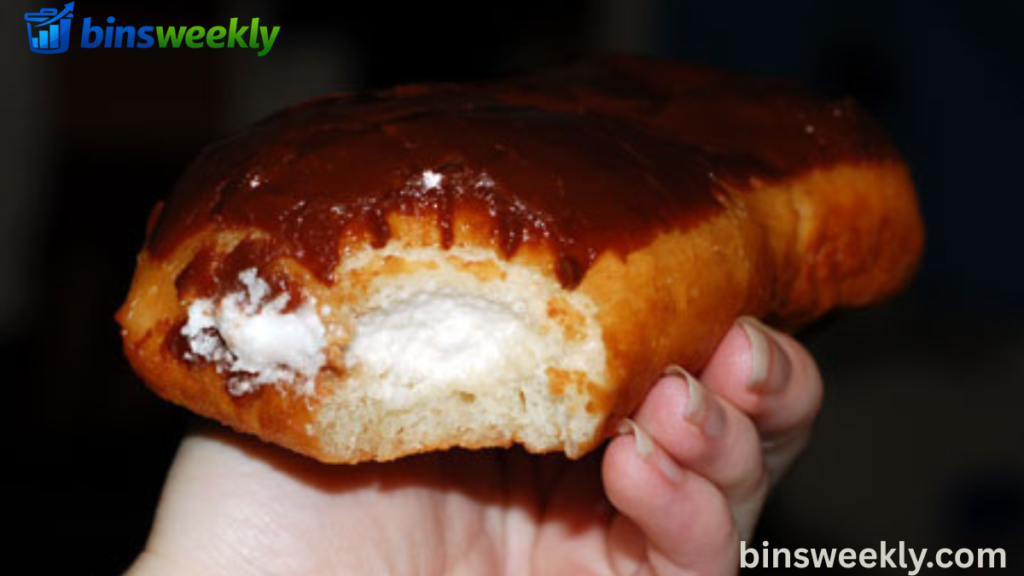
The origins of the long john donut trace back to the broader history of fried dough pastries, which have existed for centuries in various cultures. Early versions of donuts were simple fried dough pieces, but over time, bakers began shaping and filling them in creative ways. The elongated version eventually became popular in North America, where it was named the long john donut due to its long, rectangular shape.
As bakery culture expanded in the 19th and 20th centuries, the long john donut evolved into a standard item in donut shops. Its structure made it ideal for filling, allowing bakers to inject cream, custard, or jelly evenly throughout the pastry. This innovation helped distinguish it from round donuts and eclairs, giving it a unique identity in the pastry world.
Over time, regional variations appeared. In some places, maple icing became the signature topping, while others focused on chocolate glaze or vanilla cream fillings. Today, the long john donut is recognized globally and remains a symbol of classic bakery craftsmanship combined with simple indulgence.
Characteristics and Structure of Long John Donut
One of the most defining features of the long john donut is its elongated shape, typically rectangular or bar-like. This design is not just aesthetic—it also serves a functional purpose. The shape allows for even filling distribution, ensuring every bite contains a balance of dough and cream or glaze.
The dough itself is usually yeast-based, giving the a light, airy texture. When fried, it develops a golden-brown exterior while maintaining a soft interior. This contrast between crispy outside and fluffy inside is what makes it so enjoyable.
Unlike traditional donuts, which are often round with a hole in the center, the is solid and filled. It is commonly topped with glaze, chocolate icing, or maple frosting. Some versions are also dusted with powdered sugar or drizzled with caramel, adding extra sweetness and visual appeal.
Popular Flavors and Variations
The long john donut comes in a wide variety of flavors, making it a favorite in bakeries worldwide. One of the most popular versions is the vanilla cream-filled option, which offers a smooth and sweet filling balanced by soft dough.
Chocolate lovers often prefer the chocolate-glazed, where rich cocoa icing enhances the flavor of the pastry. Another widely enjoyed variation is the maple-iced version, which has a slightly caramel-like sweetness that pairs perfectly with coffee.
Fruit-filled versions, such as jelly or raspberry cream, add a tangy twist to the traditional recipe. In recent years, bakeries have also experimented with gourmet variations, including cookies-and-cream, peanut butter, and even salted caramel fillings.
These variations ensure that the long john donut remains modern and exciting while still preserving its classic identity.
Ingredients and Preparation Process
Making a long john donut starts with simple ingredients: flour, yeast, sugar, eggs, milk, butter, and salt. These ingredients are combined to form a soft dough that is kneaded until smooth and elastic.
After mixing, the dough is left to rise, allowing the yeast to create air pockets that give the long john donut its fluffy texture. Once risen, the dough is rolled out and cut into long rectangular shapes before being fried until golden brown.
After frying, the donuts are cooled slightly before being filled with cream or custard. The final step involves glazing or icing the surface, which gives the long john donut its signature sweet finish.
Taste and Texture Experience
The experience of eating a long john donut is all about contrast. The outer layer is slightly crisp, while the inside remains soft, airy, and rich. When filled with cream or custard, each bite becomes smooth and indulgent.
The sweetness level of a long john donut is well-balanced, especially when paired with coffee or tea. The glaze adds an extra layer of flavor, while fillings provide richness and depth. This combination makes it one of the most satisfying bakery items available.
Nutritional Information and Considerations
Like most fried pastries, the long john donut is high in calories, sugar, and fat. A single serving can contain a significant amount of carbohydrates and sugars, making it more of an occasional treat than a daily snack.
However, some bakeries now offer baked versions of the long john donut, which reduce fat content while maintaining flavor. Health-conscious consumers can also opt for lighter fillings or smaller portion sizes.
Modern Popularity and Bakery Culture
Today, the long john donut remains a popular item in both local bakeries and large chains. Its versatility allows bakers to create seasonal variations, such as pumpkin spice in autumn or berry-filled versions in summer.
Social media has also played a major role in boosting its popularity. The visually appealing shape and colorful toppings make the long john donut highly shareable online, contributing to its modern dessert fame.
Tips for Making the Perfect Long John Donut at Home
To make a perfect long john donut at home, it is important to focus on dough consistency. The dough should be soft but not sticky, allowing it to rise properly and maintain shape during frying.
Temperature control is also crucial. If the oil is too hot, the long john donut may burn on the outside while remaining raw inside. If too cool, it may absorb excess oil and become greasy.
Proper filling technique ensures even distribution of cream or custard, making every bite enjoyable.
Serving Ideas and Pairings
The long john donut pairs beautifully with hot beverages like coffee, espresso, and black tea. Its sweetness balances well with bitter drinks, making it an ideal breakfast or snack option.
It can also be served at parties, brunches, or dessert tables. Creative plating and toppings can elevate its presentation, turning a simple pastry into a gourmet dessert.
Conclusion
The long john donut is more than just a sweet treat—it is a symbol of bakery creativity and comfort food culture. From its soft texture to its creamy fillings and glossy toppings, it offers a satisfying experience that continues to delight people worldwide. Its adaptability ensures that it remains relevant in modern dessert trends while preserving its classic charm.
Whether enjoyed plain, filled, or glazed, the long john donut remains a timeless favorite that brings joy in every bite.
FAQs
What is a long john donut?
A soft, elongated donut often filled or glazed with sweet toppings.
How is a long john donut different from regular donuts?
It has a rectangular shape and is typically filled instead of having a hole.
What fillings are used in a long john donut?
Common fillings include cream, custard, jelly, and chocolate.
Is a long john donut fried or baked?
It is traditionally fried, though baked versions exist.
Why is it called a long john donut?
Because of its long, bar-like shape resembling a “long john.”
Is a long john donut healthy?
It is high in sugar and calories, so it should be eaten in moderation.