

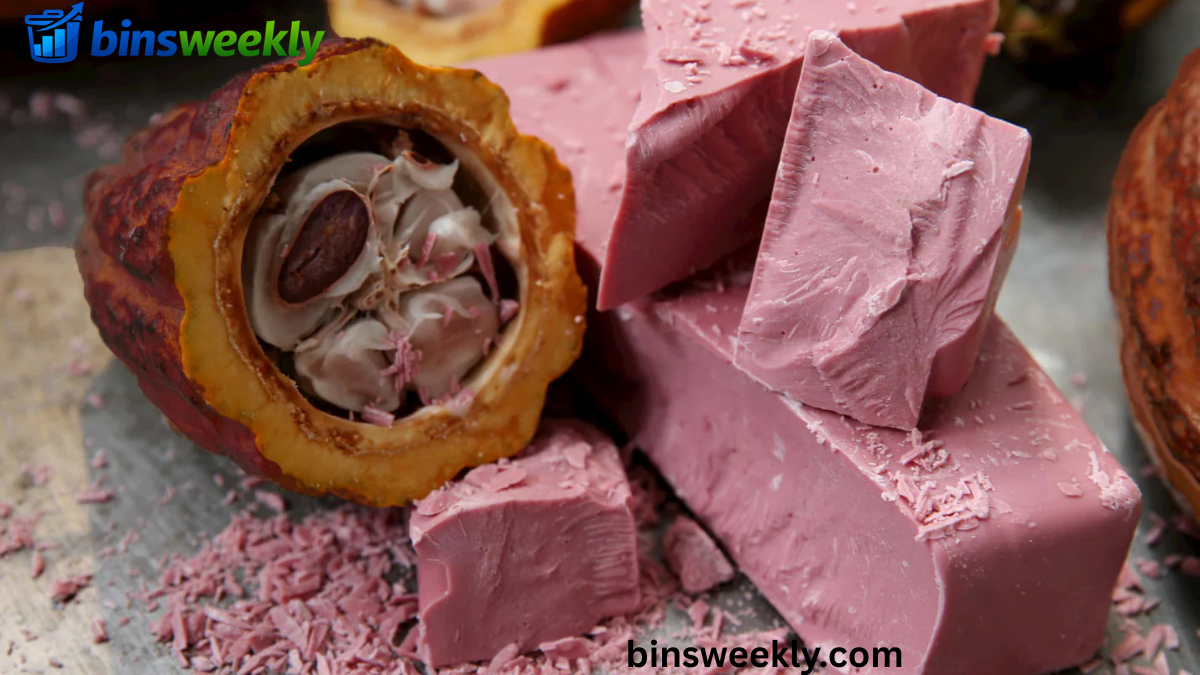
Ruby chocolate has taken the confectionery world by storm as one of the most exciting modern chocolate innovations. Unlike traditional dark, milk, or white chocolate, ruby chocolate stands out with its naturally pinkish-red color and fruity flavor profile. It is often described as the “fourth type of chocolate,” offering a completely new sensory experience that blends sweetness, slight tartness, and berry-like notes. Since its introduction, ruby chocolate has gained massive popularity among dessert lovers, chocolatiers, and luxury food brands worldwide.
The uniqueness of ruby chocolate lies not only in its appearance but also in its carefully developed production process. It is made from specially selected cocoa beans that naturally produce its pink hue without any artificial coloring or additives. This makes ruby chocolate a fascinating innovation in the world of sweets, appealing to both visual aesthetics and taste exploration. In modern gastronomy, ruby chocolate has become a symbol of creativity and elegance.
The rise of ruby chocolate has also been fueled by social media trends, where its vibrant color makes it highly photogenic and appealing for desserts. From gourmet pastries to luxury chocolate bars, ruby chocolate is now widely used to create visually stunning and delicious treats. Its growing demand shows how consumers are constantly looking for new and exciting food experiences.
In simple terms, ruby chocolate is not just a sweet treat but a revolution in chocolate craftsmanship. Whether enjoyed on its own or used in desserts, ruby chocolate continues to redefine how people experience chocolate.
What Makes Ruby Chocolate Unique
Ruby chocolate stands apart from all other chocolate types due to its distinctive natural pink-red color and fruity taste. Unlike white chocolate, which is made from cocoa butter without cocoa solids, ruby chocolate is derived from specially processed cocoa beans that retain unique compounds responsible for its color and flavor. This makes ruby chocolate a completely different category in the chocolate world.
One of the most fascinating aspects of ruby chocolate is that it does not contain added fruit flavoring or food coloring. Its natural berry-like taste comes from specific cocoa bean varieties and a unique fermentation process. This innovation has made ruby chocolate highly intriguing for food scientists and chocolatiers who aim to push the boundaries of traditional chocolate making.
The texture of ruby chocolate is smooth and creamy, similar to milk chocolate, but its flavor profile introduces a subtle tanginess that sets it apart. Many describe it as a blend of white chocolate sweetness with a hint of raspberry-like freshness. This complex flavor makes ruby chocolate ideal for gourmet desserts, luxury confectionery, and artistic food presentations.
Overall, ruby chocolate is unique because it combines science, creativity, and natural ingredients to create something entirely new. It represents a breakthrough in chocolate innovation that continues to captivate both consumers and chefs.
The History and Origin of Ruby Chocolate
The story of ruby chocolate begins with years of research and experimentation by global chocolate experts. It was officially introduced to the world by Barry Callebaut, a Swiss chocolate company known for innovation in cocoa processing. After more than a decade of development, ruby chocolate was finally unveiled as a completely new type of chocolate in 2017.
The discovery of ruby chocolate came from studying specific cocoa beans that naturally exhibited reddish tones. Scientists worked extensively to understand how to preserve and enhance these characteristics without using artificial additives. This led to the creation of a breakthrough process that resulted in the birth of ruby chocolate as we know it today.
When ruby chocolate was first launched, it quickly gained attention from the global food industry. Consumers were intrigued by its unusual color and taste, which did not fit into any existing chocolate category. This novelty helped ruby chocolate gain rapid popularity in premium chocolate markets and luxury dessert industries.
Today, ruby chocolate is used by many international brands and pastry chefs who want to offer something visually striking and flavorfully unique. Its origin story reflects the power of innovation in transforming traditional food industries into modern culinary art.
Flavor Profile and Culinary Uses of Ruby Chocolate
The flavor of ruby chocolate is one of its most defining features. It offers a delicate balance of sweetness and tartness, often compared to berries such as raspberries or cranberries. This fruity undertone makes ruby chocolate feel lighter and more refreshing than traditional chocolate varieties.
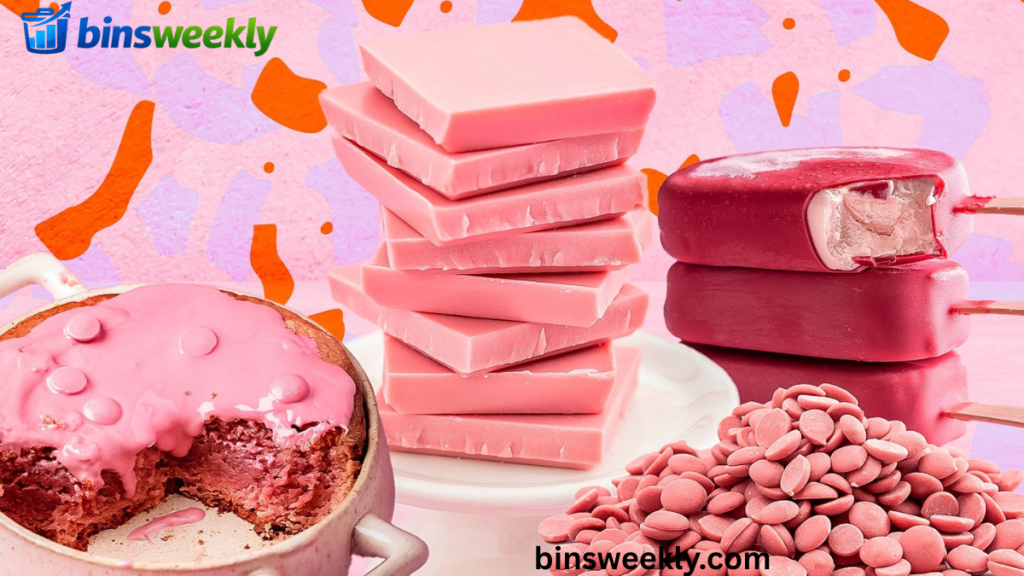
Chefs and bakers around the world use ruby chocolate to create visually stunning desserts. From mousse cakes and truffles to glazed pastries and beverages, ruby chocolate enhances both flavor and presentation. Its pink color adds an aesthetic appeal that makes it especially popular for romantic desserts, celebrations, and luxury dining experiences.
In addition to desserts, ruby chocolate is also used in gourmet chocolate bars and confectionery items. It pairs beautifully with fruits, nuts, and even floral flavors like rose and hibiscus. This versatility allows ruby chocolate to be used creatively in modern gastronomy.
As a result, ruby chocolate is not just a flavor ingredient but also a visual and emotional experience that elevates culinary artistry.
Nutritional Value and Popularity Trends
Ruby chocolate contains similar nutritional components to milk chocolate, including cocoa butter, sugar, and milk solids. However, its unique processing method gives it a slightly different composition and flavor profile. While it is still considered a sweet treat, ruby chocolate offers a refreshing alternative to traditional chocolate flavors.
The popularity of ruby chocolate has grown rapidly due to its aesthetic appeal and innovative nature. Social media platforms have played a significant role in its success, as its vibrant pink color makes it highly shareable and attractive in food photography.
Consumers today are increasingly drawn to unique and premium food experiences, and ruby chocolate fits perfectly into this trend. It is widely used in luxury confectionery markets and continues to inspire new dessert creations.
Conclusion
Ruby chocolate represents a remarkable innovation in the world of sweets, combining science, creativity, and natural ingredients to create a truly unique product. Its pink color, fruity flavor, and luxurious appeal make it stand out from all other chocolate types. As demand continues to grow, ruby chocolate is expected to play a major role in shaping the future of modern desserts and confectionery experiences.
FAQs
What is ruby chocolate made of?
Ruby chocolate is made from specially selected cocoa beans, sugar, milk, and cocoa butter without artificial coloring.
Is ruby chocolate naturally pink?
Yes, its pink color comes naturally from unique cocoa bean properties and processing techniques.
Does ruby chocolate taste like berries?
It has a mild fruity and tangy flavor often compared to berries, but no fruit is added.
Who invented ruby chocolate?
It was developed by Barry Callebaut, a Swiss chocolate company.
Is ruby chocolate healthier than other chocolates?
Not significantly; it has similar sugar and calorie content to milk chocolate.
Why is ruby chocolate so popular?
Its unique color, flavor, and visual appeal make it highly popular in desserts and social media trends.