

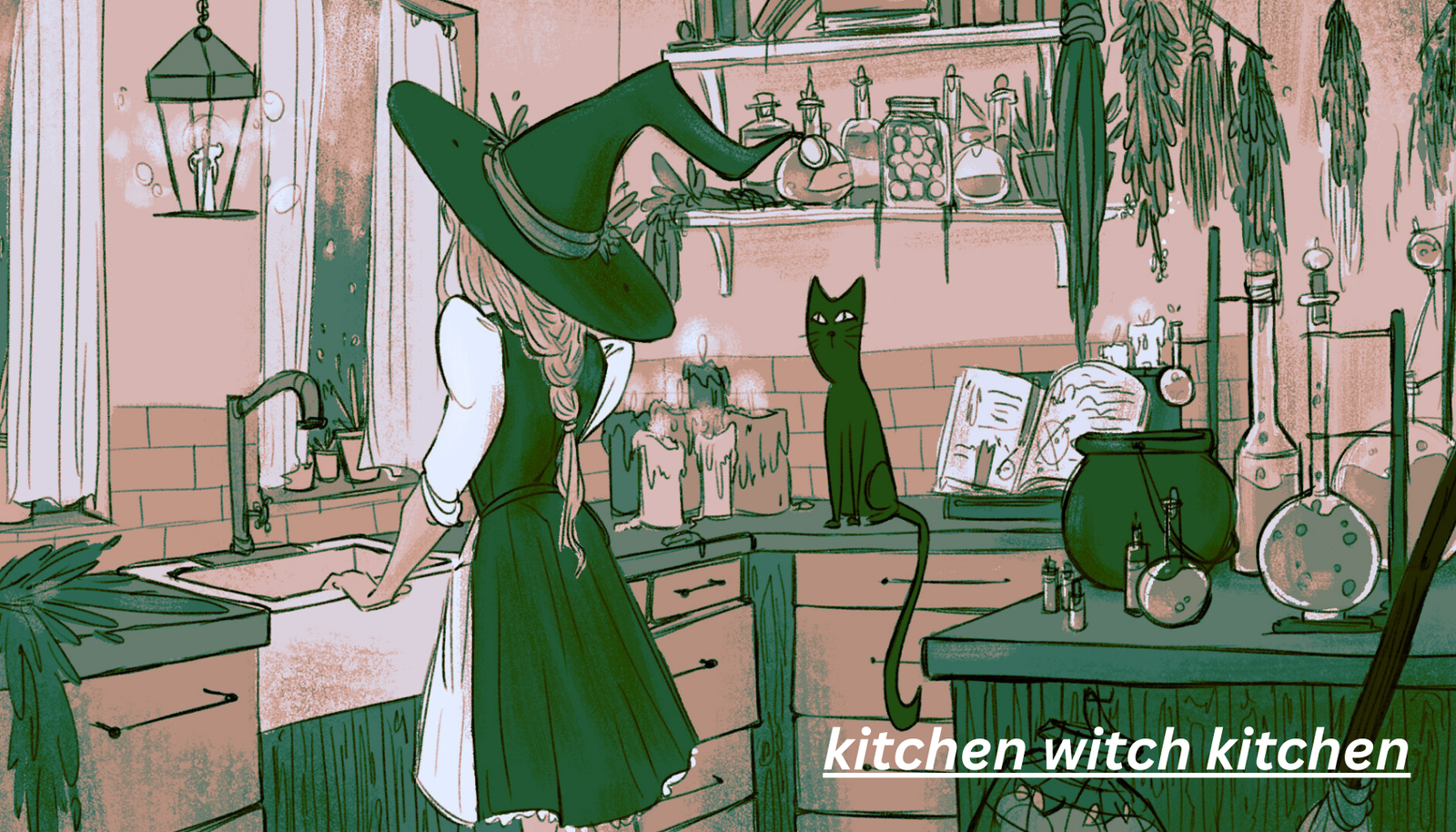
A kitchen is more than just a place to cook meals—it is the heart of the home. In many cultures throughout history, the kitchen has been viewed as a sacred space where nourishment, love, and creativity come together. The concept of a Kitchen Witch Kitchen builds on this idea, transforming an ordinary kitchen into a place where cooking becomes a mindful, intentional, and sometimes spiritual practice. Rather than focusing only on recipes and ingredients, kitchen witchery celebrates the deeper connection between food, energy, and daily life.
The tradition of the kitchen witch originates from old European folklore, where wise women used herbs, simple rituals, and traditional cooking methods to nourish their families and communities. These practices were not necessarily about casting spells or practicing formal magic; instead, they centered on the belief that intention, care, and natural ingredients could positively influence the energy of the food being prepared. Over time, this tradition evolved into what many now call kitchen witchery—a lifestyle that blends cooking, herbal knowledge, and mindfulness.
Today, the idea of a Kitchen Witch Kitchen has gained popularity among people who appreciate slow living, natural cooking, and cozy home aesthetics. It often overlaps with trends such as cottagecore, herbal living, and sustainable lifestyles. People enjoy incorporating elements like wooden utensils, dried herbs, and handmade decor to create a warm and inviting cooking environment that feels both magical and comforting.
In this article, we will explore everything you need to know about creating and embracing a Kitchen Witch Kitchen. From understanding the philosophy behind kitchen witchery to designing a magical cooking space and practicing intentional cooking, this guide will help you transform your kitchen into a place filled with creativity, warmth, and inspiration.
Understanding the Concept of a Kitchen Witch Kitchen
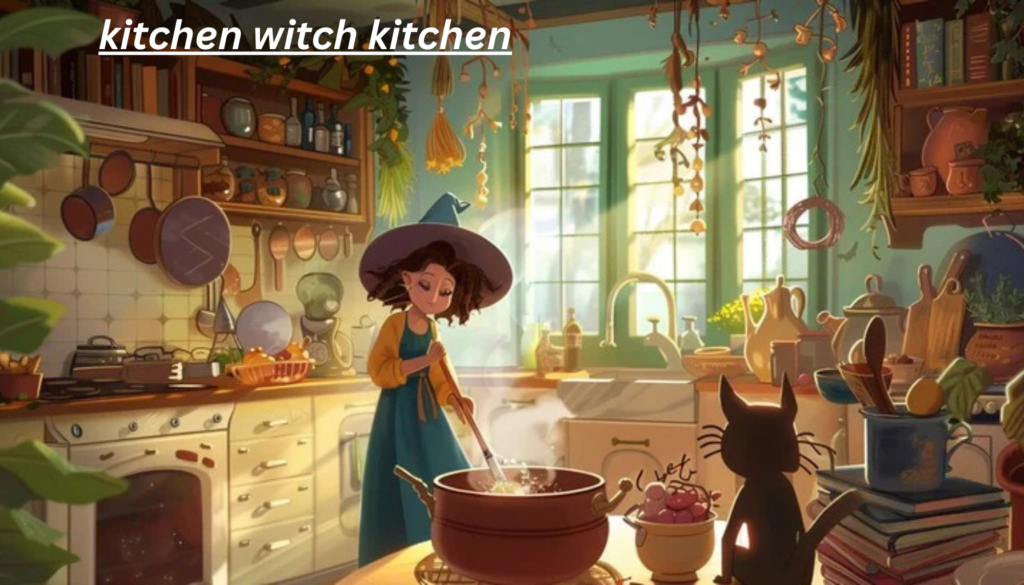
A Kitchen Witch Kitchen revolves around the idea that cooking is an act of care, creativity, and intention. A “kitchen witch” is not necessarily someone practicing formal witchcraft. Instead, it refers to a person who treats cooking as a mindful and meaningful activity. In this philosophy, the kitchen becomes a place where simple ingredients are transformed into nourishing meals that carry positive energy for those who eat them.
Historically, many households believed that the cook of the home held a special role in maintaining the well-being of the family. Before modern medicine and convenience foods, people relied heavily on herbs, homemade meals, and traditional remedies. Women—often referred to as kitchen witches—were responsible for preparing herbal teas, healing soups, breads, and other dishes believed to support health and happiness. Their knowledge of ingredients and cooking methods made them essential figures in the home.
Kitchen witchery also focuses on the connection between food and intention. Many practitioners believe that emotions and thoughts influence the energy of the food being prepared. For example, cooking with gratitude and care can create meals that bring comfort and joy to others. This mindset encourages cooks to slow down, appreciate ingredients, and treat cooking as a creative and nurturing practice.
In modern times, the concept has expanded beyond folklore and spirituality. Many people embrace the idea simply because it promotes mindfulness, sustainability, and creativity in the kitchen. Whether someone believes in magical symbolism or simply enjoys the cozy aesthetic, a Kitchen Witch Kitchen represents a return to thoughtful cooking and a deeper appreciation for food and home life.
Essential Elements of a Kitchen Witch Kitchen
Creating a Kitchen Witch Kitchen involves incorporating elements that encourage comfort, creativity, and connection with natural ingredients. One of the most important aspects is maintaining a peaceful and organized cooking environment. Clean countertops, well-organized shelves, and a calming atmosphere help make the kitchen feel welcoming and inspiring. Many kitchen witches believe that a tidy and positive space allows creativity and good energy to flow freely during cooking.
Tools and utensils also play an important role in this style of cooking. Traditional kitchen tools such as wooden spoons, cast iron pans, ceramic bowls, and mortar and pestles are commonly used in kitchen witch kitchens. These items not only have practical benefits but also create a rustic and timeless aesthetic. Many people prefer tools made from natural materials because they connect the cooking process with the earth and traditional craftsmanship.
Herbs and spices are another essential element of a kitchen witch kitchen. Ingredients like rosemary, basil, thyme, sage, cinnamon, and lavender are often used both for their culinary flavors and symbolic meanings. For example, rosemary is traditionally associated with remembrance and protection, while basil represents abundance and positivity. Storing these herbs in glass jars or hanging them to dry adds both beauty and functionality to the kitchen.
Some kitchen witches also create a small sacred corner or altar within their kitchen space. This area may include candles, crystals, small plants, or meaningful objects that inspire creativity and gratitude. While this is optional, it helps reinforce the idea that the kitchen is not just a functional space but also a place where care, intention, and nourishment come together.
Designing a Kitchen Witch Kitchen
Designing a Kitchen Witch Kitchen often focuses on creating a warm, cozy, and nature-inspired atmosphere. Many people are drawn to rustic or cottage-style aesthetics, which emphasize natural textures and simple decor. Wooden shelves, stone countertops, clay pots, and handmade ceramics can all contribute to a kitchen that feels earthy and magical at the same time.
Color plays a significant role in creating the right atmosphere. Warm tones such as deep greens, browns, creams, and soft golds are commonly used to evoke feelings of comfort and connection with nature. Natural lighting is also highly valued in kitchen witch spaces. Large windows, soft lamps, and candlelight can create a calm environment that encourages slow and mindful cooking.
Herb storage is another important design feature. Instead of hiding herbs and spices in cabinets, many kitchen witches display them openly in glass jars, wooden racks, or hanging bundles. Not only does this make cooking more convenient, but it also adds visual charm to the kitchen. Fresh herb plants such as basil, mint, or rosemary placed on windowsills can bring life and fragrance to the space.
Decorative details help enhance the magical and cozy atmosphere of a kitchen witch kitchen. Small charms, botanical prints, woven baskets, and dried flowers are commonly used decorations. These elements transform the kitchen into a space that feels both functional and enchanting, encouraging creativity every time someone steps in to prepare a meal.
Kitchen Witch Cooking Practices
Cooking in a Kitchen Witch Kitchen often involves mindful practices that make the process more meaningful. One of the most important ideas is cooking with intention. Before preparing a meal, many people take a moment to focus on the purpose of the dish—whether it is to bring comfort, celebrate an occasion, or nourish loved ones. This simple act of mindfulness can turn everyday cooking into a more thoughtful and rewarding experience.
Another common practice involves small kitchen rituals. These rituals are usually simple and personal rather than elaborate ceremonies. For example, someone might express gratitude for the ingredients they are using or stir a soup clockwise while focusing on positive thoughts. These actions symbolize the idea that energy and intention can influence the food being prepared.
Seasonal cooking is also an important part of kitchen witch traditions. Cooking with ingredients that are fresh and in season helps strengthen the connection between food and nature. In the autumn, warm soups and baked goods may be popular, while summer dishes often feature fresh herbs, vegetables, and light meals. Some people also align their cooking with lunar cycles, preparing certain foods during full moons or seasonal celebrations.
Many kitchen witches also treasure family recipes and traditional cooking methods. Recipes passed down through generations carry emotional and cultural significance, making them an important part of kitchen magic. Whether it is baking homemade bread or brewing herbal tea, these traditions help maintain a sense of continuity, love, and heritage within the home.
Benefits of Creating a Kitchen Witch Kitchen
One of the biggest benefits of a Kitchen Witch Kitchen is the deeper connection it encourages with food. Instead of relying heavily on processed or convenience meals, people who embrace this lifestyle often prefer fresh ingredients and homemade dishes. This approach can lead to healthier eating habits and a greater appreciation for where food comes from.
Another advantage is the promotion of mindfulness and creativity. Cooking becomes more than a daily chore—it becomes a relaxing and enjoyable activity. Measuring herbs, kneading dough, and preparing meals slowly can feel almost meditative. Many people find that this mindful approach to cooking reduces stress and helps them feel more present in their daily lives.
A Kitchen Witch Kitchen can also strengthen family and community bonds. Preparing meals for loved ones is one of the most powerful ways to express care and hospitality. Shared meals encourage conversation, connection, and meaningful traditions that can last for generations.
Finally, this lifestyle supports a more natural and sustainable way of living. By focusing on homemade foods, herbs, and seasonal ingredients, people can reduce waste and rely less on packaged products. In this way, a Kitchen Witch Kitchen not only benefits the household but also encourages a more environmentally friendly approach to cooking and living.
Conclusion
The idea of a Kitchen Witch Kitchen blends tradition, creativity, and mindfulness into the everyday act of cooking. It transforms the kitchen into a place where nourishment and intention meet, allowing simple ingredients to become meals filled with care and meaning. Whether someone embraces the spiritual aspects of kitchen witchery or simply enjoys its cozy aesthetic, the concept encourages a deeper appreciation for food and the home.
FAQs
What is a Kitchen Witch Kitchen?
A Kitchen Witch Kitchen is a cooking space designed around mindful cooking practices, natural ingredients, and sometimes spiritual traditions related to kitchen witchery.
Do you have to practice witchcraft to enjoy a kitchen witch kitchen?
No. Many people adopt the aesthetic and cooking philosophy simply for its cozy, mindful, and natural lifestyle benefits.
What herbs are commonly used in kitchen witch cooking?
Popular herbs include rosemary, basil, thyme, sage, cinnamon, lavender, and mint.
What tools are common in a kitchen witch kitchen?
Traditional tools such as wooden spoons, cast iron pans, ceramic bowls, and mortar and pestles are frequently used.
What is a kitchen grimoire?
A kitchen grimoire is a personal notebook where someone records recipes, herbal knowledge, cooking notes, and food-related traditions.
Can modern kitchens be transformed into kitchen witch kitchens?
Yes. Even a modern kitchen can adopt this style by incorporating natural decor, herbs, mindful cooking habits, and meaningful traditions.