

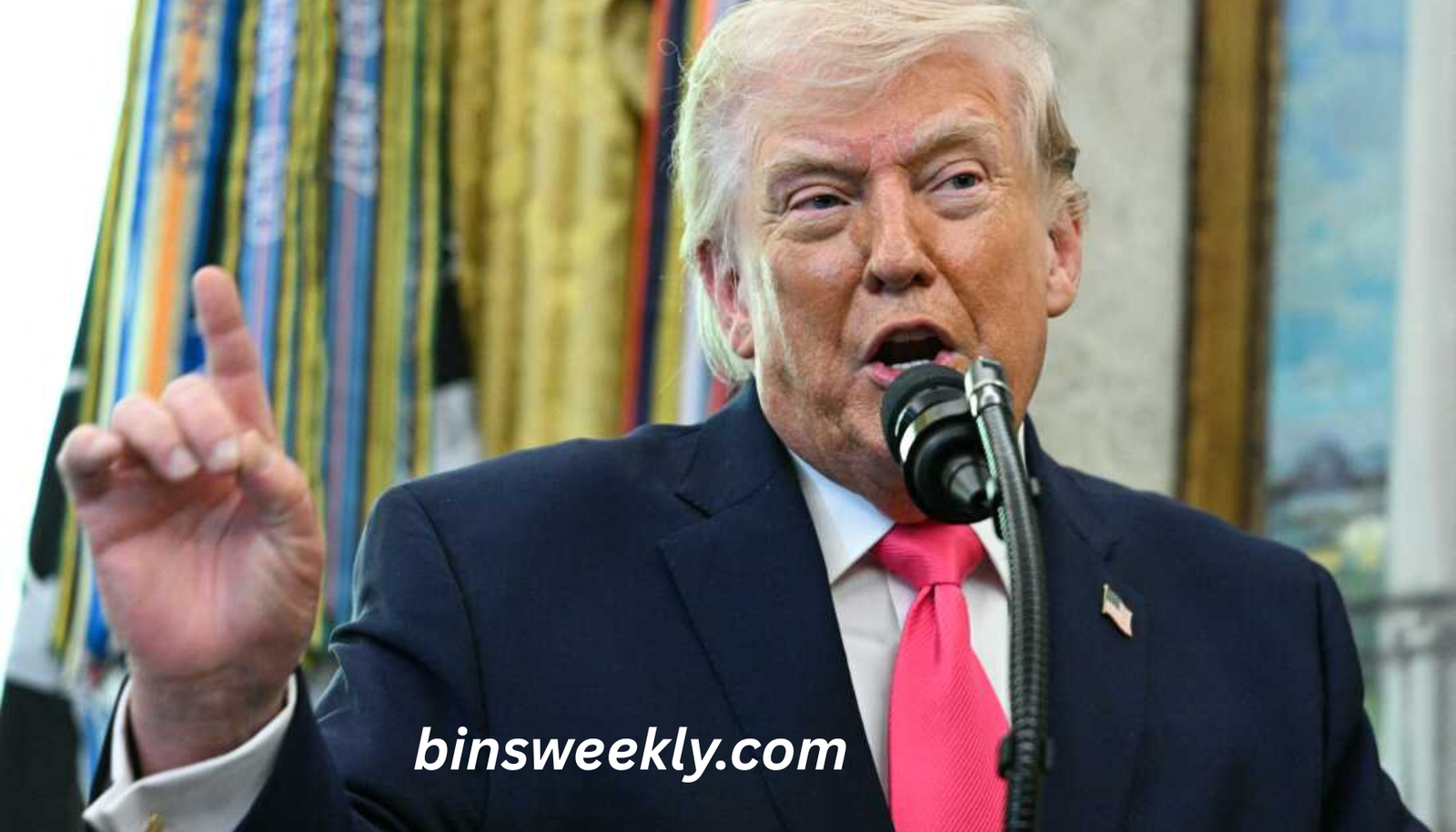
Donald Trump is one of the most recognizable and polarizing figures in contemporary global politics. From his early days as a real estate mogul to his unexpected rise to the presidency of the United States, donald trump has consistently commanded attention, debate, and controversy. His journey reflects not only personal ambition but also broader shifts in political communication, media influence, and public sentiment in the 21st century.
This article explores donald trump life in depth—tracing his roots in business, his transformation into a media personality, and ultimately his emergence as a political force. It also examines his presidency, post-presidential influence, and the lasting effects he has had on American society and global politics. Through an informative and balanced lens, this piece aims to provide readers with a comprehensive understanding of a figure who has reshaped modern political discourse.
Early Life and Business Career
Donald Trump was born in 1946 in Queens, New York City, into a family deeply rooted in the real estate business. His father, Fred Trump, was a successful developer who specialized in middle-income housing projects. Growing up in a financially stable and business-oriented household, donald trump was exposed early to the dynamics of property development, negotiation, and entrepreneurship. This environment played a crucial role in shaping his ambition and confidence, traits that would later define his public persona.
Trump attended the Wharton School at the University of Pennsylvania, where he studied economics. Unlike many political figures who begin their careers in public service or law, Trump’s foundation was firmly planted in business. After graduating, he joined his father’s company, eventually taking control and rebranding it as The Trump Organization. He expanded operations from residential housing into high-profile Manhattan developments, including hotels, casinos, and luxury skyscrapers.
Throughout the 1980s and 1990s, Trump cultivated a reputation as a bold and sometimes controversial businessman. While he achieved significant financial success, he also faced multiple bankruptcies and legal challenges. However, his ability to rebound and maintain a high-profile image contributed to his enduring brand. His name became synonymous with luxury, ambition, and resilience, even amid setbacks.
Entry into Politics
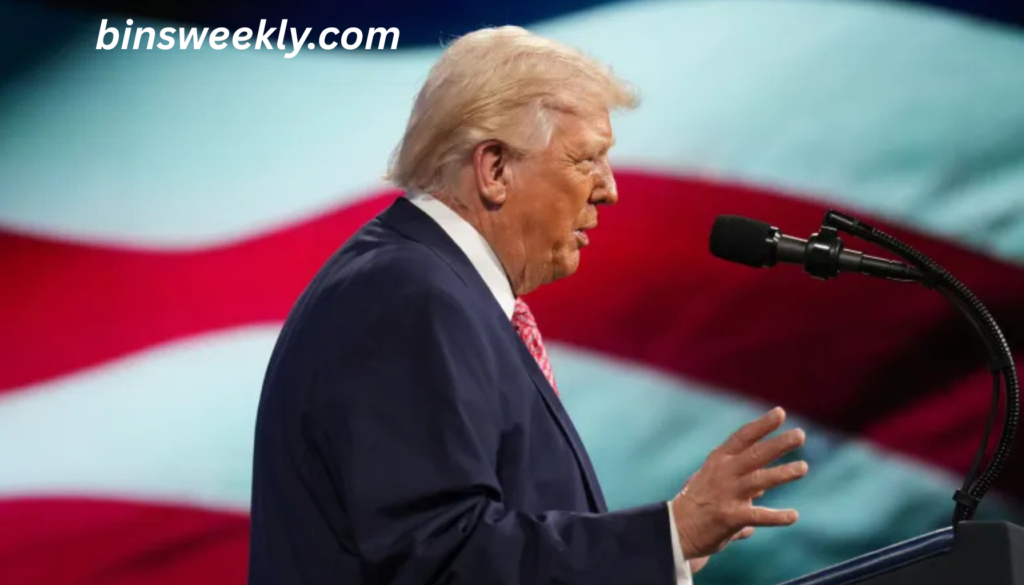
Before officially entering politics, Donald Trump had long expressed interest in political issues. Over the years, he shifted affiliations between major political parties and made various public statements about national policy. However, it wasn’t until 2015 that he formally announced his candidacy for the presidency, marking the beginning of one of the most unconventional political campaigns in modern history.
Trump’s 2016 campaign stood out for its direct and often controversial messaging. He focused heavily on themes such as immigration reform, economic nationalism, and “America First” policies. Unlike traditional candidates, Trump leveraged social media platforms—especially Twitter—to communicate directly with voters, bypassing conventional media filters. This approach resonated with a large segment of the population that felt disconnected from establishment politics.
Despite skepticism from political analysts and media outlets, Trump secured the Republican nomination and went on to win the presidential election. His victory over Democratic candidate Hillary Clinton surprised many and highlighted deep divisions within American society. The election underscored the growing influence of populist movements and demonstrated how unconventional strategies could disrupt traditional political systems.
Presidency (2017–2021)
Donald Trump’s presidency was marked by significant policy changes, strong rhetoric, and frequent controversy. Domestically, his administration focused on tax reform, resulting in the Tax Cuts and Jobs Act of 2017, which aimed to stimulate economic growth. He also prioritized deregulation, particularly in environmental and financial sectors, arguing that such measures would boost business activity and job creation.
Immigration policy became one of the defining aspects of his administration. Trump implemented stricter border control measures, including efforts to build a wall along the U.S.-Mexico border. These policies drew both strong support and intense criticism, reflecting the broader polarization of public opinion during his tenure. Healthcare reform efforts, including attempts to repeal the Affordable Care Act, also sparked significant debate.
On the global stage, Trump adopted a distinctive approach to foreign policy. He renegotiated trade agreements, initiated tariffs on Chinese goods, and engaged in direct diplomacy with North Korea. His administration often challenged traditional alliances, urging NATO members to increase defense spending and reevaluating international commitments. Supporters viewed these actions as assertive and necessary, while critics argued they strained long-standing partnerships.
Trump’s presidency also included two historic impeachments. The first, in 2019, related to allegations involving Ukraine, while the second, in 2021, followed the events at the U.S. Capitol. Although he was acquitted both times by the Senate, these events contributed to the highly charged political environment that defined his time in office.
Post-Presidency Influence
After leaving office in January 2021, Donald Trump remained a central figure in American politics. Unlike many former presidents who step back from the spotlight, Trump continued to actively engage with his supporters through rallies, endorsements, and public statements. His influence within the Republican Party has remained significant, shaping candidate selection and policy priorities.
Trump has also faced a series of legal challenges and investigations in the years following his presidency. These cases have covered a range of issues, from business practices to election-related matters. While these developments have affected public perception, they have not diminished his role as a major political force. For many supporters, these challenges reinforce their view of him as an outsider confronting entrenched systems.
Media presence continues to play a key role in Trump’s influence. Although he faced bans from major social media platforms, he explored alternative channels to maintain communication with his audience. His ability to dominate headlines and public discourse demonstrates his ongoing relevance in both political and cultural arenas.
Impact on American Politics and Society
Donald Trump’s impact on American politics is profound and multifaceted. One of the most notable effects has been the intensification of political polarization. His rhetoric and policy positions often drew stark contrasts between supporters and critics, contributing to a deeply divided political landscape. This division has influenced not only elections but also everyday social interactions and public debate.
Trump also transformed political communication. By prioritizing direct engagement through social media, he changed how politicians connect with voters. This approach reduced reliance on traditional media and allowed for more immediate and unfiltered messaging. As a result, future political campaigns are likely to continue adopting similar strategies.
In terms of legacy, Trump’s presidency will be analyzed for years to come. Some view him as a disruptor who challenged established norms and brought attention to overlooked issues. Others see his tenure as a period of instability and division. Regardless of perspective, his influence on the structure, tone, and direction of modern politics is undeniable.
Conclusion
Donald Trump’s journey from businessman to president is a unique story that reflects broader changes in society, media, and governance. His ability to capture public attention, mobilize support, and challenge traditional systems has left a lasting imprint on American and global politics.