

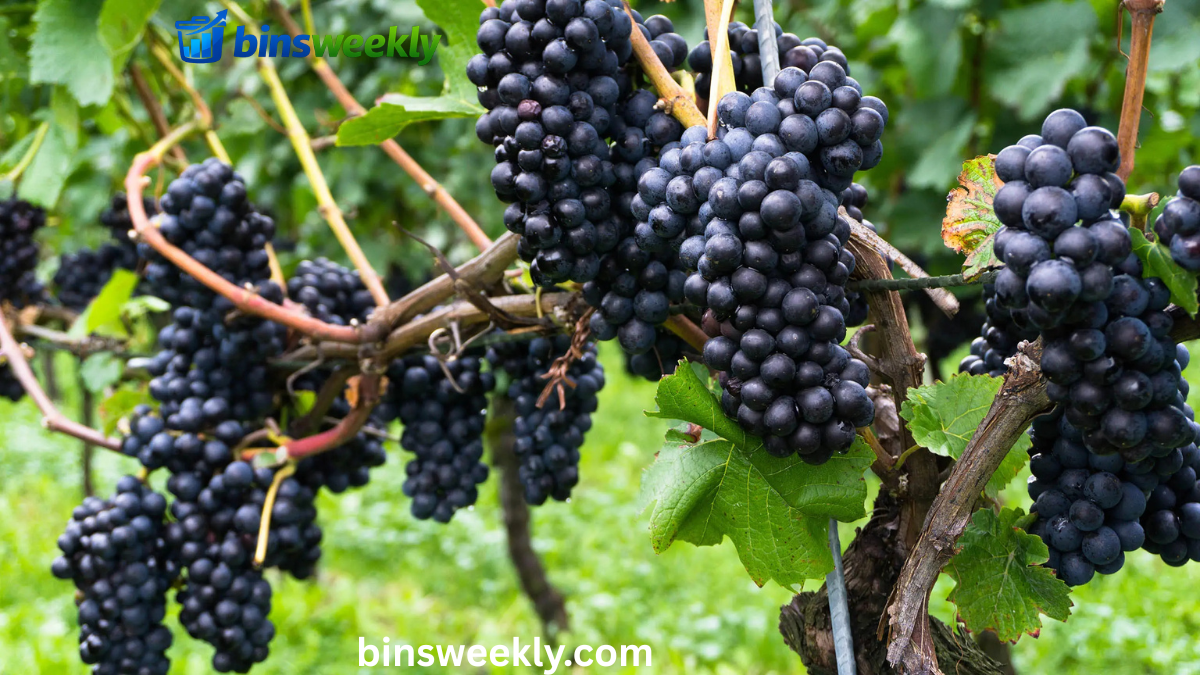
Pinot Noir grapes are often described as one of the most delicate and expressive grape varieties in the world of winemaking. Known for producing some of the finest red wines, these grapes have a long history that dates back centuries, particularly in regions of France. What makes Pinot Noir grapes so special is their ability to reflect the soil, climate, and environment where they are grown. This unique sensitivity gives each bottle of wine a distinct personality, making Pinot Noir a favorite among wine lovers and experts alike.
The charm of Pinot Noir grapes lies in their complexity. Unlike many other grape varieties, they are thin-skinned and highly sensitive to weather conditions, which makes them challenging to grow but rewarding when handled correctly. From the rolling hills of Burgundy in France to the cool valleys of Oregon and New Zealand, Pinot Noir grapes have found homes in some of the world’s most beautiful wine regions. Their wines are known for soft tannins, bright acidity, and flavors that range from red berries to earthy undertones, making them both elegant and versatile.
Origins and History of Pinot Noir Grapes
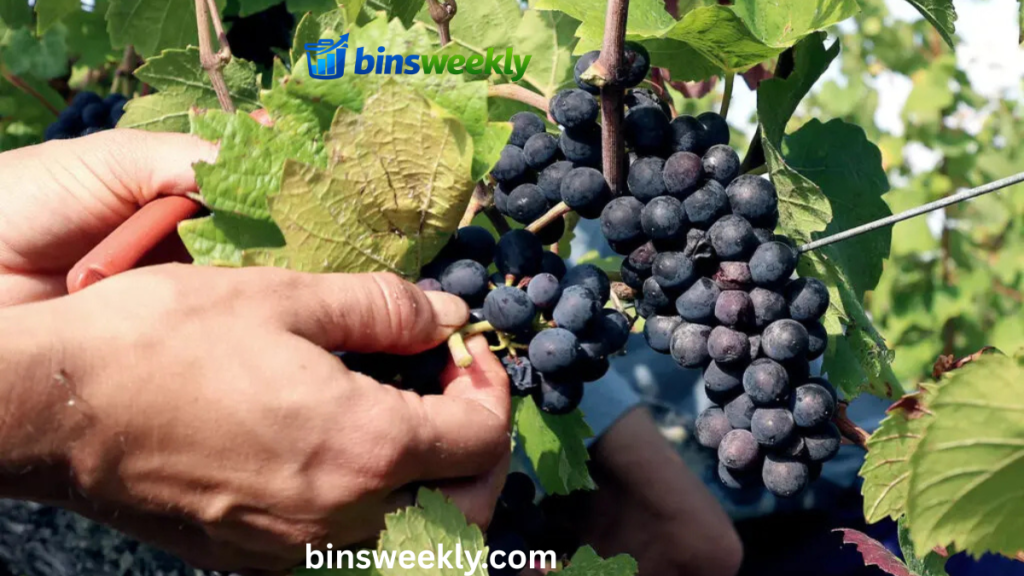
The history of Pinot Noir grapes begins in France, particularly in the Burgundy region, where they have been cultivated for more than a thousand years. Monks in medieval times were among the first to carefully grow and document these grapes, recognizing their potential to produce exceptional wine. Over time, Pinot Noir grapes became closely associated with Burgundy, and even today, the region is considered the spiritual home of this variety.
As trade and exploration expanded, Pinot Noir grapes spread beyond France to other parts of Europe and eventually to the New World. Winemakers in countries like the United States, New Zealand, and Germany began experimenting with these grapes, trying to replicate the elegance of Burgundy wines. However, due to their sensitivity, Pinot Noir grapes often produce different expressions depending on where they are grown, making each region’s wine unique.
Today, Pinot Noir grapes are considered one of the most prestigious grape varieties in the world. Their long history and global presence have made them a symbol of craftsmanship and patience in winemaking. Despite the challenges in cultivation, their legacy continues to grow as more winemakers dedicate themselves to mastering this demanding but rewarding grape.
Climate and Terroir Requirements for Pinot Noir Grapes
Pinot Noir grapes are extremely sensitive to climate, which is why they are often referred to as “the heartbreak grape” by winemakers. They thrive best in cool to moderate climates where temperatures allow for slow and even ripening. Too much heat can cause the grapes to lose their delicate flavors, while too much rain can lead to disease and poor fruit quality.
The concept of terroir plays a crucial role in the development of Pinot Noir grapes. Terroir refers to the combination of soil, climate, and landscape that influences the growth of grapes. In regions like Burgundy, the limestone-rich soil contributes to the minerality and elegance found in Pinot Noir wines. In contrast, volcanic soils in places like Oregon add depth and complexity to the flavor profile.
Because of their demanding nature, Pinot Noir grapes are often grown in carefully selected vineyards with precise conditions. Winemakers must monitor every stage of growth closely to ensure the grapes reach their full potential. This delicate balance between nature and human care is what makes Pinot Noir wines so highly valued around the world.
Flavor Profile and Wine Characteristics of Pinot Noir Grapes
One of the most fascinating aspects of Pinot Noir grapes is the wide range of flavors they can produce. Typically, wines made from these grapes feature notes of red fruits such as cherry, raspberry, and strawberry. As the wine ages, additional flavors like mushroom, earth, and spice begin to emerge, adding depth and complexity.
Pinot Noir grapes are known for producing light to medium-bodied wines with soft tannins and bright acidity. This makes them incredibly food-friendly, pairing well with dishes such as roasted chicken, salmon, and mushroom-based recipes. Their elegance allows them to complement a wide variety of cuisines without overpowering the meal.
Another unique characteristic of Pinot Noir grapes is their transparency to terroir. This means that the same grape variety can taste very different depending on where it is grown. For example, wines from cooler regions tend to be more acidic and delicate, while those from slightly warmer areas may have richer fruit flavors. This adaptability is what makes Pinot Noir one of the most intriguing grape varieties in the wine world.
Major Growing Regions for Pinot Noir Grapes and Wine Culture
The most famous region for Pinot Noir grapes is Burgundy, France, where some of the world’s most expensive and sought-after wines are produced. The villages of Côte de Nuits and Côte de Beaune are particularly well-known for their exceptional vineyards. These areas provide the perfect balance of climate and soil, allowing Pinot Noir grapes to reach their full expression.
Outside of France, Oregon in the United States has gained international recognition for its Pinot Noir grapes. The Willamette Valley, in particular, offers a cool climate similar to Burgundy, making it ideal for growing this delicate variety. California’s Sonoma Coast and Russian River Valley are also important regions where winemakers produce bold yet elegant Pinot Noir wines.
New Zealand has also emerged as a rising star in Pinot Noir production. Regions like Central Otago and Marlborough have proven that Pinot Noir grapes can thrive in the Southern Hemisphere. Each of these regions adds its own unique touch, contributing to the global diversity of Pinot Noir wines and expanding their popularity among wine enthusiasts.
Challenges in Growing Pinot Noir Grapes
Growing Pinot Noir grapes is considered one of the most difficult tasks in viticulture. Their thin skins make them highly vulnerable to pests, diseases, and weather changes. Even small fluctuations in temperature or rainfall can significantly affect the quality of the harvest.
Winemakers often describe Pinot Noir grapes as unpredictable. They require constant attention throughout the growing season, from pruning to harvest. A successful vintage depends heavily on timing and precision, as picking the grapes too early or too late can dramatically change the wine’s flavor.
Despite these challenges, many winemakers are drawn to Pinot Noir grapes because of their potential for excellence. When everything aligns perfectly, the result is a wine that is elegant, complex, and deeply expressive, making all the effort worthwhile.
Conclusion
Pinot Noir grapes represent a perfect balance between challenge and reward in the world of winemaking. Their sensitivity to climate and soil makes them difficult to grow, but it is this very trait that gives them their unmatched elegance and complexity. From Burgundy to Oregon and New Zealand, these grapes continue to inspire winemakers and delight wine lovers around the globe.
In the end, Pinot Noir grapes are more than just a fruit—they are a reflection of nature, patience, and craftsmanship. Every bottle tells a story of its origin, making each sip a unique experience. This timeless grape variety will continue to hold a special place in the world of wine for generations to come.
FAQs
What are Pinot Noir grapes known for?
They are known for producing elegant, light-bodied red wines with red fruit flavors.
Where do Pinot Noir grapes grow best?
They grow best in cool climates like Burgundy, Oregon, and New Zealand.
Why are Pinot Noir grapes difficult to grow?
They are sensitive to weather, diseases, and require precise growing conditions.
What does Pinot Noir wine taste like?
It typically tastes like cherry, raspberry, and earthy spice notes.
Are Pinot Noir grapes used only for red wine?
Mostly yes, but they are also used in some sparkling wines like Champagne.
What food pairs well with Pinot Noir wine?
It pairs well with salmon, chicken, duck, and mushroom dishes.
Why are Pinot Noir grapes expensive?
Because they are hard to grow and produce low yields with high quality.