

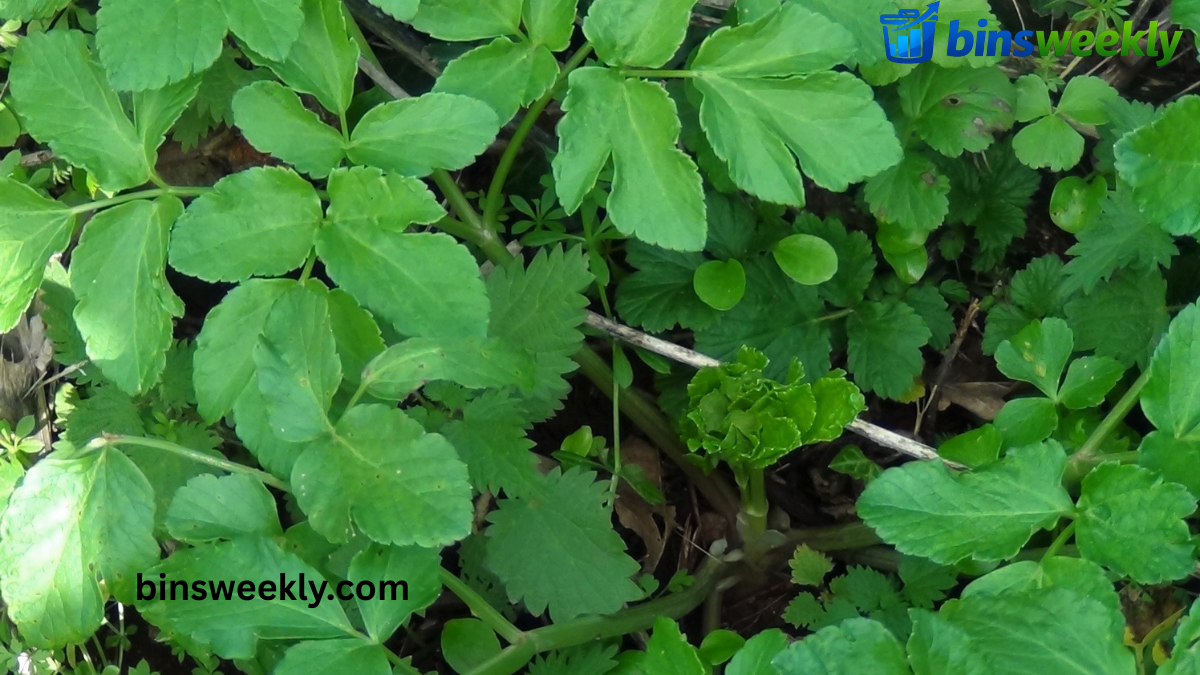
Alexanders weed is a fascinating plant that has quietly grown across coastal regions and countryside landscapes for centuries. Often overlooked as just another wild green, this plant carries a rich history, practical uses, and surprising benefits. Known for its glossy leaves and strong herbal aroma, alexanders weed has been used in traditional cooking and medicine long before modern vegetables became common. Today, it is gaining renewed attention among gardeners, foragers, and nature enthusiasts who appreciate its resilience and versatility.
In many parts of Europe and beyond, alexanders weed thrives in disturbed soils, roadside areas, and coastal environments. It is a hardy biennial plant that can grow tall and dense, making it both a useful herb and, at times, an invasive species. Despite being labeled a “weed,” it offers nutritional value and culinary potential that rivals many cultivated greens. Understanding alexanders weed means looking beyond its wild appearance and discovering its true identity as a plant with both historical and modern significance.
What is Alexanders Weed?
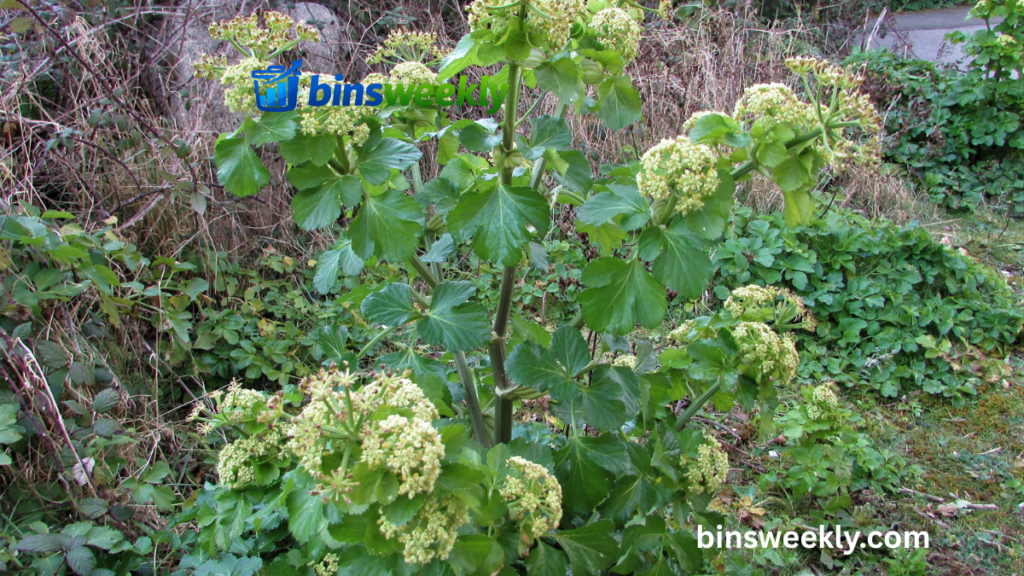
Alexanders weed is a biennial plant scientifically known as Smyrnium olusatrum. It belongs to the carrot family and is easily recognizable by its shiny green leaves and umbrella-shaped clusters of yellow-green flowers. The plant can grow up to 1.5 meters tall, making it quite noticeable in natural settings. Historically, it was introduced by the Romans as a food crop, which explains its presence in many regions far from its native habitat.
The plant typically grows in coastal areas, hedgerows, and urban environments where the soil is rich and well-drained. Alexanders weed prefers mild climates and often appears in early spring, giving it an advantage over many other plants. Its rapid growth allows it to dominate spaces quickly, which is why it is sometimes considered invasive. However, this same quality makes it easy to cultivate for those who want to use it in cooking or herbal remedies.
Key Characteristics
One of the defining features of alexanders weed is its strong celery-like smell. Every part of the plant, from its leaves to its seeds, carries this distinctive aroma. The stems are thick and hollow, while the leaves are divided into broad, glossy segments. The flowers appear in clusters, forming a shape known as an umbel, which is common in the carrot family.
Another important characteristic is its adaptability. can grow in a variety of conditions, including poor soil and shaded areas. This resilience makes it both a blessing and a challenge for gardeners. While it can provide a reliable source of greens, it can also spread quickly if not managed properly.
History and Cultural Significance of Alexanders Weed
Alexanders weed has a long and interesting history that dates back to ancient times. The Romans were among the first to cultivate this plant intentionally, using it as a vegetable and medicinal herb. It was highly valued for its flavor and nutritional properties, often used in soups, stews, and salads. The name “alexanders” is believed to be linked to Alexander the Great, highlighting its historical importance.
During the Middle Ages, remained a popular food source in Europe. Before the introduction of celery and other modern vegetables, it was commonly grown in gardens and used in everyday cooking. Over time, however, it lost its popularity as new crops became available. This shift led to its classification as a weed, even though it continued to grow abundantly in the wild.
Decline and Rediscovery
In recent years, there has been a growing interest in rediscovering traditional plants and forgotten foods. Alexanders weed is now being re-evaluated for its culinary and ecological value. Foragers and chefs are exploring its unique flavor, while gardeners appreciate its ability to grow with minimal care. This renewed attention has helped change the perception of alexanders weed from a nuisance to a valuable natural resource.
Uses and Benefits of Alexanders Weed
Alexanders weed is more than just a wild plant; it offers a variety of practical uses that make it worth considering. One of its main benefits is its nutritional value. The leaves are rich in vitamins and minerals, making them a healthy addition to meals. They can be eaten raw in salads or cooked like spinach, providing a slightly bitter but pleasant taste.
The stems of are often compared to celery and can be used in similar ways. They can be boiled, sautéed, or added to soups for extra flavor. Even the seeds have culinary uses, acting as a spice with a peppery taste. This versatility makes a valuable ingredient for those who enjoy experimenting with natural foods.
Medicinal Properties
In traditional medicine, alexanders weed has been used for its healing properties. It was believed to aid digestion and support overall health. Some herbalists use it as a mild diuretic, helping the body eliminate excess fluids. While modern research is still limited, its historical use suggests that it may offer gentle health benefits.
Another advantage of alexanders weed is its role in supporting biodiversity. The plant attracts pollinators such as bees and insects, making it beneficial for the ecosystem. By allowing it to grow in controlled areas, gardeners can contribute to a healthier environment while enjoying its practical uses.
How to Identify and Grow Alexanders Weed
Identifying alexanders weed is relatively simple once you know what to look for. The plant’s glossy leaves, thick stems, and umbrella-shaped flowers make it stand out from other wild plants. It often grows in clusters, forming dense patches that are easy to spot during the growing season. However, it is important to be cautious when foraging, as some plants in the same family can be toxic.
If you are interested in growing alexanders weed, you will find it to be a low-maintenance option. It thrives in well-drained soil and can tolerate partial shade. Seeds can be sown directly into the ground, and the plant usually requires little care once established. Regular trimming can help control its spread and encourage healthy growth.
Location and Habitat
Alexanders weed is commonly found in coastal regions, roadside areas, and abandoned gardens. It prefers mild climates and can adapt to different soil types. In urban environments, it often grows near walls and fences where the soil is undisturbed. This adaptability makes it a common sight in many regions around the world.
For those looking to cultivate alexanders weed, choosing the right location is key. A sunny or partially shaded spot with good drainage will provide the best results. Once established, the plant can return year after year, making it a reliable addition to any garden.
Challenges and Control of Alexanders Weed
While alexanders weed has many benefits, it can also present challenges. Its rapid growth and ability to spread quickly can make it difficult to manage in certain areas. In gardens, it may compete with other plants for space and nutrients, requiring regular maintenance to keep it under control.
One effective way to manage alexanders weed is through regular pruning. Removing flower heads before they produce seeds can prevent the plant from spreading further. In larger areas, manual removal or controlled cultivation can help maintain balance. It is important to approach its management carefully, as complete removal may not always be necessary or beneficial.
Balancing Use and Control
The key to dealing with alexanders weed is finding a balance between using it and controlling its growth. By harvesting the plant for food or medicinal purposes, you can reduce its spread while benefiting from its properties. This approach allows you to make the most of alexanders weed without letting it become a problem.
Conclusion
Alexanders weed is a plant that deserves more attention than it often receives. From its historical roots as a Roman vegetable to its modern rediscovery as a versatile wild plant, it offers a unique combination of benefits. Its ability to grow in challenging conditions, along with its culinary and medicinal uses, makes it a valuable resource for anyone interested in natural living.
By understanding and appreciating alexanders weed, we can change the way we view so-called “weeds.” Instead of seeing them as unwanted plants, we can recognize their potential and use them in meaningful ways. Whether you are a gardener, forager, or simply curious about nature, alexanders weed is a plant worth exploring and embracing.
FAQs
What is alexanders weed used for?
It is used for cooking, herbal remedies, and supporting biodiversity.
Is alexanders weed edible?
Yes, all parts of the plant are edible and commonly used in dishes.
Where does alexanders weed grow?
It grows in coastal areas, roadsides, and gardens with mild climates.
Is alexanders weed invasive?
It can spread quickly and may become invasive if not controlled.
How do you identify alexanders weed?
Look for glossy leaves, thick stems, and yellow-green flower clusters.
Can you grow alexanders weed at home?
Yes, it is easy to grow in well-drained soil with minimal care.
Does alexanders weed have health benefits?
It may support digestion and overall wellness in traditional use.
Why is it called alexanders weed?
The name is linked to its historical association with ancient cultures.
You may also read:
Austin Central Business District Map