

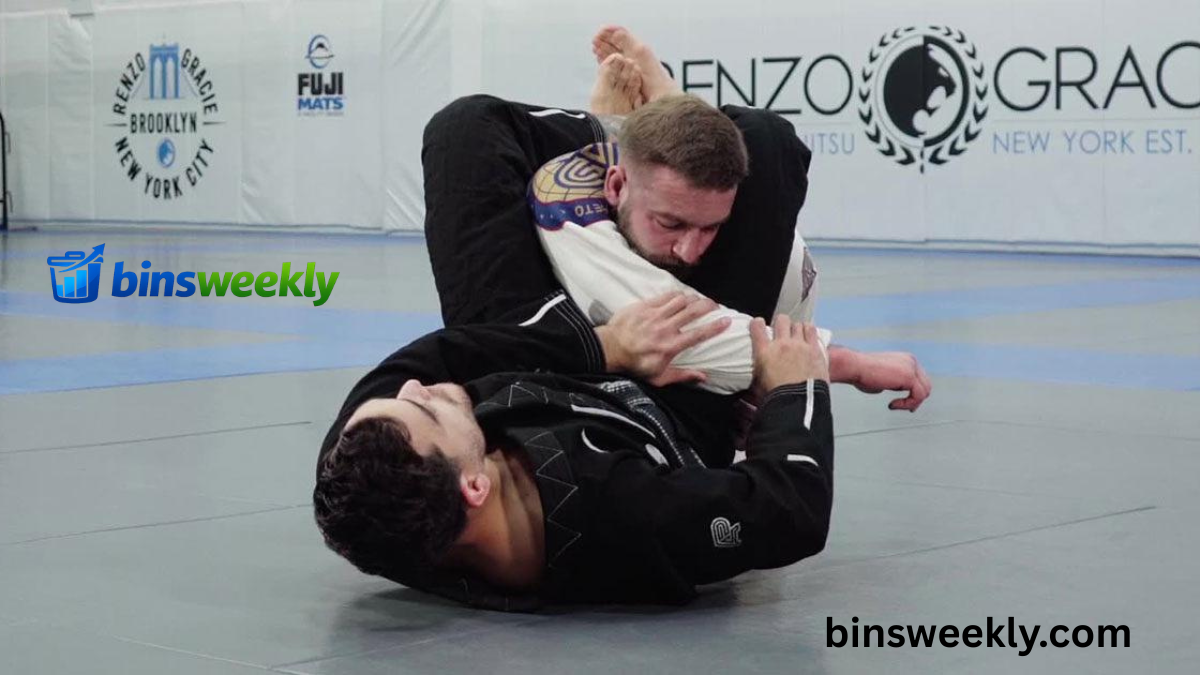
The Triangle Choke is one of the most iconic and effective submissions in Brazilian Jiu-Jitsu (BJJ) and mixed martial arts (MMA). It is widely respected because it allows a smaller or weaker grappler to control and submit a stronger opponent using leverage and technique rather than raw power. The Triangle Choke works by trapping the opponent’s neck and one arm using the practitioner’s legs, forming a triangular shape that restricts blood flow to the brain. This makes it both a highly technical and highly efficient finishing move in grappling exchanges.
The beauty of the Triangle Choke lies in its versatility. It can be applied from multiple positions such as guard, scrambles, or transitions during attacks. Fighters often use it when an opponent’s posture breaks or when one arm becomes isolated inside the guard. The Triangle Choke is not just a submission but a complete system of control, positioning, and timing. Mastering it requires patience and attention to detail rather than brute strength.
Another important aspect of the Triangle Choke is its accessibility to beginners while still remaining effective at elite levels. From white belts to professional MMA fighters, everyone studies the Triangle Choke because of its ability to end fights instantly. Its combination of simplicity in concept and complexity in execution makes it one of the most valuable techniques in grappling.
Mechanics and Core Principles of the Triangle Choke
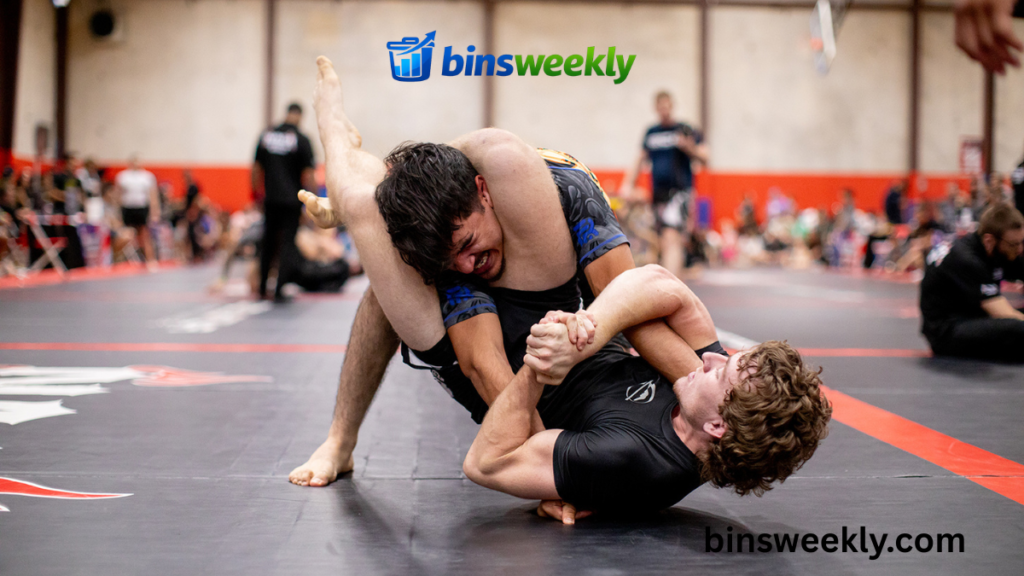
To understand the Triangle Choke, it is essential to break down its mechanics. At its core, the technique works by cutting off blood circulation through the carotid arteries on both sides of the neck. When applied correctly, the Triangle Choke creates immense pressure using the attacker’s legs while controlling the opponent’s posture and one arm. This combination of compression and angle control is what makes it so effective.
A properly executed Triangle Choke depends heavily on positioning. The practitioner must control distance, break the opponent’s posture, and isolate one arm inside the guard. Without these key elements, the submission loses its effectiveness. Hip angle is another crucial factor, as shifting the hips away from the opponent tightens the choke significantly. Many practitioners underestimate how important angle creation is when applying the Triangle Choke, which often leads to failed attempts.
Another core principle of the Triangle Choke is control before submission. Rushing into the choke without proper setup often allows the opponent to escape or defend. Instead, fighters must focus on controlling posture and maintaining tight grips before locking in the legs. The is not just about squeezing—it is about building pressure step by step until the opponent has no escape route.
Step-by-Step Execution of the Triangle Choke
The execution of the Triangle Choke begins from a controlled position, most commonly the guard. The first step is breaking the opponent’s posture, forcing them to lean forward or place an arm inside the guard. This creates the opening needed to initiate the . Once the arm is isolated, the practitioner brings one leg over the opponent’s neck while controlling the trapped arm.
The second step in the is proper leg positioning. The ankle of one leg is placed under the opposite knee, forming the classic triangular structure. At this stage, angle adjustment becomes critical. Many beginners fail the Triangle Choke because they remain directly in front of their opponent instead of shifting their hips to the side for better leverage.
The final step of the involves tightening the position and applying pressure. This is done by pulling the head down, squeezing the knees together, and adjusting the hips to increase compression. When done correctly, the forces the opponent to either submit or lose consciousness due to restricted blood flow. Precision and patience are key to finishing the technique successfully.
Variations, Setups, and Defensive Strategies
The Triangle Choke has many variations that make it a dynamic weapon in grappling. One common version is the flying , where a fighter jumps into the submission during transitions. Another variation is the mounted , which is applied from a dominant top position. Each version of the Triangle Choke requires different timing but follows the same core principles of control and pressure.
Setups are equally important when learning the. Fighters often use arm drags, wrist control, or scrambles to create openings. The can also be chained with armbars, making it a powerful submission combination. Advanced grapplers frequently transition between submissions to increase success rates.
Defense against the focuses on posture and arm positioning. Keeping the back straight and elbows tight reduces the risk of being caught. Once locked, defensive strategies like stacking pressure or postural recovery can help escape. Understanding both attack and defense makes the even more effective in real competition.
Training, Strategy, and Application in Fighting
Training the Triangle Choke requires consistent drilling and repetition. Practitioners should focus on flexibility, hip movement, and timing rather than strength. Solo drills help improve movement, while partner drills refine real-time application. The becomes significantly more effective when combined with proper positional sparring and resistance training.
Strategically, the should be used when the opponent’s posture is broken or when one arm is isolated. In MMA, the is especially useful during scrambles or after failed takedown attempts. Fighters who understand timing can use the as a surprise finishing move.
The Triangle Choke also fits well into a larger submission system. It can be chained with armbars, sweeps, and transitions, making it one of the most versatile tools in grappling. Mastering the improves overall ground fighting intelligence and control.
Conclusion
The Triangle Choke remains one of the most important submissions in martial arts due to its efficiency, versatility, and technical depth. Whether used in BJJ competition or MMA fighting, the offers a reliable path to victory when executed correctly. By focusing on mechanics, positioning, and timing, any practitioner can significantly improve their success rate with this technique. Continuous practice and understanding of details will turn the Triangle Choke into a powerful weapon in any grappler’s arsenal.
FAQs
What is a Triangle Choke in grappling?
A submission that uses the legs to trap the neck and arm, cutting off blood flow.
Why is the Triangle Choke so effective?
Because it uses leverage and angles instead of strength to control opponents.
Where can the Triangle Choke be applied from?
It can be applied from guard, mount, scrambles, and transitions.
What is the most important detail in the Triangle Choke?
Proper angle and posture control are the most critical factors.
Can beginners learn the Triangle Choke easily?
Yes, it is beginner-friendly but requires practice to master.
How do you defend against a Triangle Choke?
Maintain posture, keep elbows tight, and avoid arm isolation.
You may also read:
Common Professional Examination