

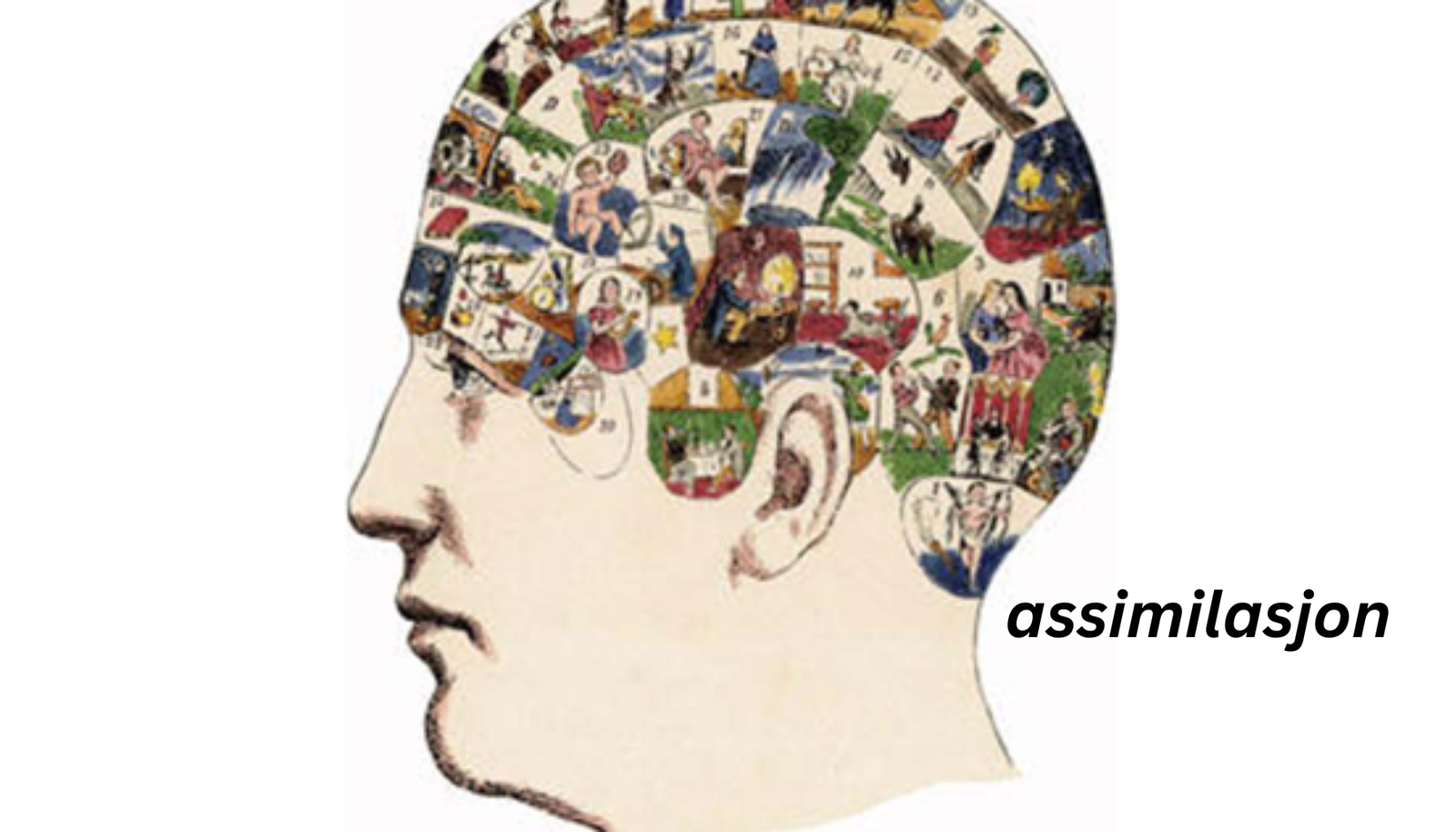
Assimilasjon is a concept widely discussed in sociology, anthropology, and migration studies. It refers to the process through which individuals or groups adopt the cultural values, behaviors, and norms of another society, usually the dominant one. The word assimilasjon is commonly used in Scandinavian languages such as Norwegian and is closely related to the English word “assimilation.” While the idea may seem simple on the surface, it represents a complex social process that shapes identities, communities, and nations over time. Assimilation often occurs when immigrants or minority groups gradually adapt to the culture, language, and lifestyle of a larger society.
In today’s increasingly interconnected world, the topic of assimilation has gained renewed attention. Migration, globalization, and multicultural societies have made cultural interactions more frequent than ever before. As people move across borders, they bring their traditions, languages, and beliefs with them. Assimilation describes how these newcomers interact with their new environment and how their identities may transform in response to social expectations, opportunities, and challenges. For many societies, the question is not simply whether assimilation occurs, but how it happens and what it means for cultural diversity.
Understanding assimilation is essential for anyone interested in social development, cultural exchange, and global migration patterns. It affects educational systems, employment opportunities, and social relationships. Governments, communities, and individuals all play roles in shaping how assimilation unfolds. By exploring its meaning, historical background, and modern relevance, we gain valuable insight into how societies evolve and how people adapt to new cultural environments.
What Is Assimilasjon? Definition and Core Meaning
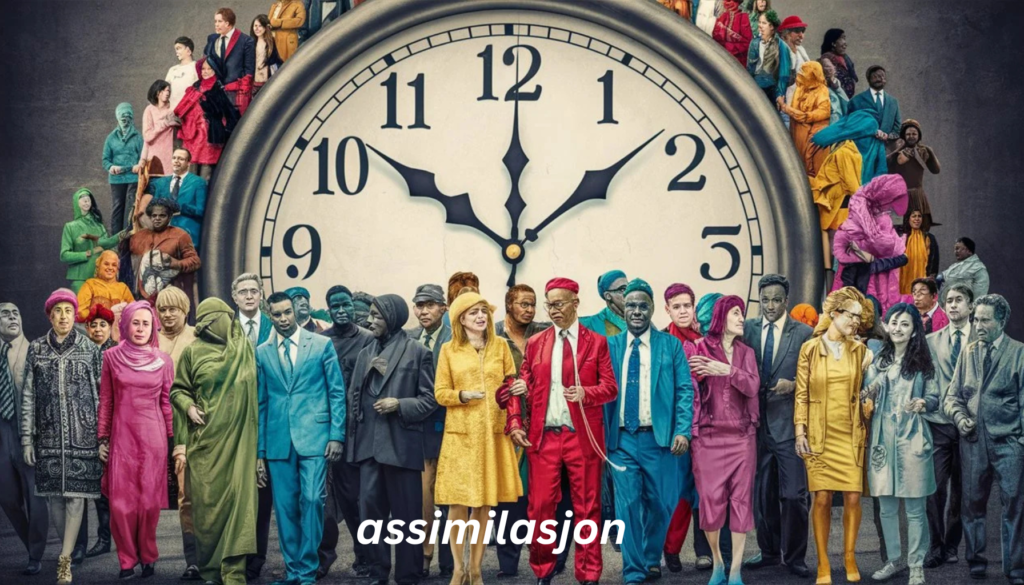
Assimilasjon generally refers to the process by which individuals or groups gradually adopt the cultural characteristics of a dominant society. This process may involve changes in language, social habits, clothing, traditions, and even values or beliefs. In sociological terms, assimilation occurs when minority groups begin to resemble the majority group in behavior and cultural identity. Over time, these differences may diminish to the point where the original cultural distinctions become less visible within the broader society.
The concept is widely used in discussions about immigration and minority integration. When people migrate to a new country, they often face the challenge of adapting to unfamiliar customs, laws, and social norms. Assimilation describes how these individuals gradually adjust to their new environment. For example, learning the local language, adopting cultural traditions, or participating in community institutions can all be part of the assimilation process. In many cases, assimilation happens naturally over generations as children of immigrants grow up immersed in the dominant culture.
However, assimilation is not always a straightforward or uniform process. Some individuals embrace aspects of the dominant culture while still maintaining elements of their original heritage. This creates a blend of cultural identities rather than complete absorption. Sociologists often study how assimilation varies depending on factors such as age, education, economic status, and community support networks. These factors influence how quickly or deeply individuals adapt to their new social environment.
The concept also raises important questions about identity and belonging. For some, assimilation represents opportunity and social mobility, allowing individuals to participate fully in the economic and cultural life of a society. For others, it may involve difficult choices about preserving cultural traditions versus adapting to mainstream expectations. Understanding this balance is key to understanding the broader implications of assimilation in diverse societies.
Historical Background of Assimilasjon
The concept of assimilation has deep roots in sociological research, particularly in studies of migration during the late nineteenth and early twentieth centuries. Early sociologists examined how immigrant communities in rapidly industrializing nations adapted to new social environments. Scholars observed that over time, immigrant groups often adopted the language, customs, and values of the host society. This gradual process became a central theme in sociological theory and was used to explain how culturally diverse populations could eventually form cohesive national identities.
Historically, assimilation has been closely linked to large waves of migration. During periods of rapid immigration, societies often faced the challenge of integrating newcomers while maintaining social stability. Assimilation was frequently viewed as a solution to cultural differences. Governments and institutions sometimes encouraged immigrants to adopt the dominant culture through education systems, workplace expectations, and public policies. Schools, for example, played a significant role in teaching language and cultural norms to the children of immigrant families.
However, the historical experience of assimilation has not always been voluntary or positive. In some cases, assimilation policies were imposed on minority groups in ways that suppressed their cultural identities. Indigenous populations in various parts of the world experienced forced assimilation programs aimed at replacing traditional languages and practices with those of dominant societies. These policies often led to the loss of cultural heritage and long-term social consequences that are still being addressed today.
Over time, perspectives on assimilation have evolved. Modern sociologists recognize that cultural adaptation can occur in multiple forms and does not necessarily require abandoning one’s original identity. Historical lessons have led many societies to reconsider strict assimilation models and instead explore approaches that respect both cultural diversity and social cohesion.
The Process of Assimilation in Society
Assimilation is often described as a gradual and multi-stage process rather than a single event. The first stage typically involves initial cultural contact, where individuals encounter a new social environment and begin learning about its customs and expectations. This stage may include learning a new language, understanding social norms, and navigating unfamiliar institutions such as schools, workplaces, or government systems. During this early phase, individuals may still strongly identify with their original culture while beginning to adapt to their new surroundings.
As time passes, the process often moves into a stage of cultural adaptation and exchange. Individuals begin participating more fully in the social and economic life of the broader society. They may form friendships outside their original community, adopt new habits, and engage with mainstream media and cultural activities. At this stage, cultural exchange occurs in both directions, as host societies may also adopt aspects of immigrant cultures, such as food, music, or traditions. Assimilation therefore becomes a dynamic process that influences both newcomers and the societies they join.
The final stage of assimilation may involve deeper structural integration into society. This can include access to education, employment opportunities, political participation, and social networks that connect individuals with the broader community. When assimilation reaches this level, differences between groups become less pronounced, and individuals may feel a strong sense of belonging to the larger society. However, this stage does not necessarily mean complete loss of cultural heritage.
Despite its potential benefits, assimilation also presents challenges. Some individuals experience identity conflicts as they balance loyalty to their cultural roots with pressure to conform to mainstream expectations. Discrimination or social barriers can also slow or complicate the process. For this reason, assimilation is often studied alongside concepts such as integration, multiculturalism, and cultural pluralism.
Assimilasjon in Modern Multicultural Societies
In the modern era, assimilation takes place within increasingly multicultural societies. Globalization, migration, and technological connectivity have created environments where multiple cultures coexist and interact daily. Unlike earlier periods when assimilation was often expected to result in uniform cultural identity, contemporary societies frequently recognize the value of maintaining diverse cultural traditions while still fostering social unity.
One significant factor shaping modern assimilation is globalization. As people move across borders for education, employment, or refuge, they bring cultural practices that enrich host societies. These interactions create opportunities for mutual learning and cultural blending. Food, fashion, language, and entertainment often reflect this exchange, demonstrating how assimilation can coexist with cultural diversity rather than eliminating it entirely.
Technology and media also play a powerful role in shaping assimilation today. Social media platforms, digital communication tools, and global entertainment networks allow individuals to maintain connections with their cultural origins while participating in new cultural environments. A person can live in one country while remaining connected to family traditions, language, and cultural communities through online networks. This creates a more flexible form of assimilation compared to earlier generations.
The debate between assimilation and multiculturalism remains an important topic in public policy and social discussions. Some argue that assimilation promotes social unity and shared identity, while others emphasize the importance of protecting cultural diversity. Many societies now aim for a balanced approach that encourages participation in common civic values while respecting cultural differences. This evolving perspective reflects the complexity of modern cultural interactions.
Benefits and Criticisms of Assimilasjon
Assimilation can offer several benefits for individuals and societies. One of the most commonly cited advantages is social cohesion. When people share language, cultural norms, and values, communication and cooperation become easier. This shared understanding can strengthen national identity and reduce social divisions. Assimilation can also provide economic opportunities, as individuals who adapt to the dominant culture may find it easier to access education, employment, and professional networks.
Another benefit lies in cultural exchange and mutual understanding. While assimilation often emphasizes adaptation to a dominant culture, it can also encourage dialogue between different cultural groups. Over time, societies may incorporate elements of immigrant cultures into mainstream traditions. This blending of influences can enrich cultural life, leading to new forms of art, cuisine, music, and social customs that reflect diverse contributions.
Despite these advantages, assimilation has also faced significant criticism. Critics argue that it can pressure minority groups to abandon their cultural heritage in order to gain acceptance. When assimilation expectations are too strong, individuals may feel forced to choose between preserving their identity and achieving social mobility. This pressure can lead to cultural loss and feelings of marginalization among minority communities.
Modern discussions increasingly focus on finding a balanced approach. Rather than expecting complete assimilation, many experts advocate for inclusive societies that value both shared civic identity and cultural diversity. Policies that support language learning, equal opportunity, and cultural respect can help create environments where individuals feel free to participate in society without losing their cultural roots.
Conclusion
Assimilasjon is a complex and evolving concept that reflects how individuals and societies interact across cultural boundaries. From its early roots in sociological theory to its modern relevance in multicultural societies, assimilation has played a key role in shaping migration experiences and social development. It describes how people adapt to new environments while navigating questions of identity, belonging, and cultural heritage.
In today’s globalized world, assimilation is no longer viewed as a one-directional process where minority cultures disappear into dominant ones. Instead, it is often seen as a dynamic interaction where cultures influence each other in meaningful ways. As societies continue to grow more diverse, understanding assimilation helps communities create policies and social structures that promote unity while respecting cultural differences. Ultimately, the future of assimilation will depend on how societies balance cultural preservation with the desire for shared identity and cooperation.
FAQs
What does assimilasjon mean?
Assimilasjon refers to the process by which individuals or groups adopt the cultural traits, language, and social norms of a dominant society.
Is assimilation the same as integration?
No, integration allows individuals to maintain their cultural identity while participating in society, while assimilation often involves adopting the dominant culture more fully.
Why is assimilation important in immigration studies?
It helps researchers understand how immigrants adapt to new societies and how cultural interactions shape social structures.
What are examples of assimilation in everyday life?
Examples include learning a new language, adopting local customs, celebrating national holidays, or participating in mainstream social institutions.
Can assimilation lead to loss of cultural identity?
Yes, in some cases assimilation may result in reduced use of original languages or traditions, especially across generations.
How does assimilation affect multicultural societies?
Assimilation influences how different cultural groups interact, shaping policies, social relationships, and cultural diversity within modern societies.