


Journaling is one of the most powerful yet simple tools for self-expression, reflection, and personal development. At its core, journaling involves writing down thoughts, emotions, experiences, and ideas in a structured or free-flowing format. While many people associate journaling with keeping a diary, modern journaling techniques go far beyond recording daily events. Today, journaling is widely used for improving mental health, boosting productivity, enhancing creativity, and gaining clarity in life.
In a fast-paced world filled with distractions, journaling offers a quiet space to slow down and reconnect with your thoughts. Writing regularly helps people organize their ideas, process emotions, and reflect on personal experiences. Many successful entrepreneurs, writers, and psychologists encourage journaling as a daily habit because it promotes mindfulness and self-awareness. When thoughts are written down, they become easier to understand and manage.
Another important benefit of journaling is its ability to improve emotional well-being. Studies have shown that writing about experiences and feelings can reduce stress and anxiety. Journaling allows individuals to release negative emotions in a healthy way while also focusing on positive moments in life. Over time, this habit can lead to greater mental clarity and emotional resilience.
This article explores different journaling techniques that can help individuals transform their thoughts and unlock personal growth. From structured methods like bullet journaling to creative approaches such as stream-of-consciousness writing, these techniques provide various ways to make journaling meaningful and effective.
Understanding the Purpose of Journaling
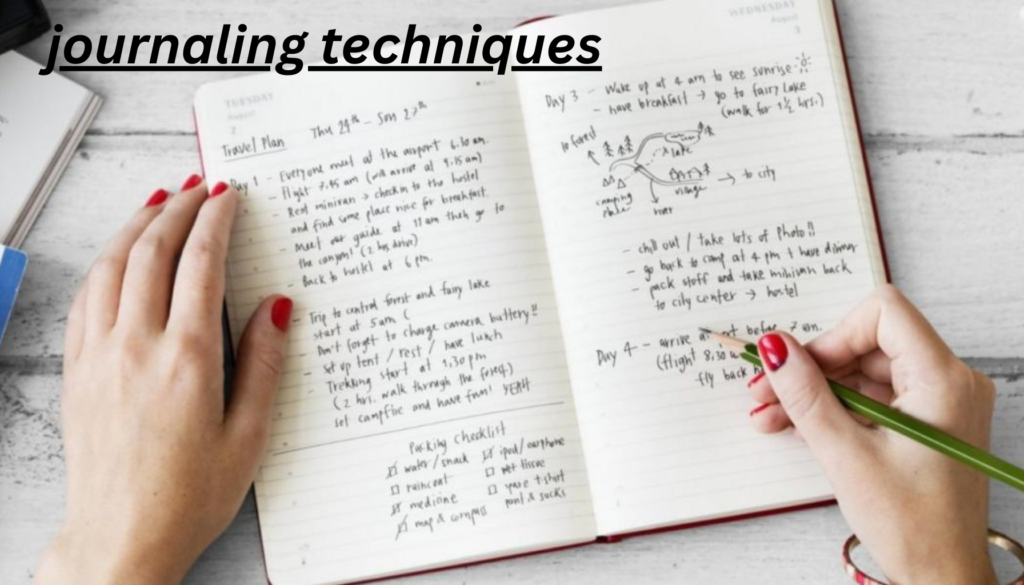
Journaling is more than simply writing down daily activities. It is a powerful method for exploring thoughts, analyzing emotions, and understanding personal experiences. When people write regularly, they create a record of their thoughts and actions, allowing them to reflect on patterns in their behavior and mindset. This reflection helps individuals develop a deeper understanding of themselves and their goals.
One of the main purposes of journaling is to promote mental clarity. Many people experience a constant flow of thoughts throughout the day, which can sometimes feel overwhelming. Writing those thoughts down helps organize them into a structured format, making it easier to process information and make decisions. Journaling essentially acts as a mental decluttering tool, helping individuals focus on what truly matters.
Another important purpose of journaling is emotional expression. Many people struggle to communicate their feelings openly, but writing provides a safe and private outlet for emotions. Through journaling, individuals can express anger, happiness, sadness, or excitement without fear of judgment. This process often helps people release emotional tension and develop a healthier relationship with their feelings.
Additionally, journaling serves as a valuable tool for personal development. By regularly recording goals, achievements, and lessons learned, individuals can track their progress over time. Looking back at past journal entries often reveals growth, changes in perspective, and important life lessons. This makes journaling not only a reflection tool but also a roadmap for continuous improvement and self-discovery.
Popular Journaling Techniques Everyone Should Know
There are many journaling techniques available, each designed to serve different purposes. Some techniques focus on emotional reflection, while others emphasize productivity and creativity. Choosing the right technique depends on personal goals and preferences. Exploring different journaling styles can help individuals discover what works best for their lifestyle and mindset.
One widely used technique is stream-of-consciousness writing. This method involves writing continuously without worrying about grammar, structure, or organization. The goal is to allow thoughts to flow freely onto the page. Stream-of-consciousness journaling is especially useful for clearing the mind and exploring deeper thoughts that may not surface during structured writing.
Another popular method is gratitude journaling. This technique focuses on writing about things that bring joy and appreciation. People often list three to five things they are grateful for each day. Over time, this practice trains the mind to focus more on positive experiences rather than negative ones. Gratitude journaling has been shown to improve overall happiness and reduce stress.
Reflective journaling is another effective approach. In this method, individuals review their daily experiences and analyze what they learned from them. Reflective journaling encourages self-awareness by helping people understand their actions, decisions, and emotional reactions. It is particularly useful for personal growth and improving decision-making skills.
Bullet journaling is a more structured method that combines journaling with planning and organization. It uses bullet points, symbols, and trackers to manage tasks, habits, and goals. Many people use bullet journals as both a diary and productivity tool. This technique is ideal for individuals who want to stay organized while still maintaining a journaling habit.
Advanced Journaling Methods for Personal Growth
Once people become comfortable with basic journaling techniques, they can explore more advanced methods designed to support deeper personal growth. These techniques focus on intentional writing, self-discovery, and emotional exploration. Advanced journaling methods encourage individuals to go beyond daily events and examine the deeper aspects of their thoughts and behaviors.
Goal-oriented journaling is one of the most powerful techniques for personal development. In this method, individuals write about their short-term and long-term goals while tracking progress regularly. By documenting goals and reflecting on achievements, people can stay motivated and accountable. This technique is commonly used by entrepreneurs, athletes, and professionals who want to maintain focus on their ambitions.
Mindfulness journaling is another advanced method that combines meditation and reflection. After a meditation session, individuals write about their thoughts, feelings, and observations. This practice strengthens awareness of the present moment and encourages individuals to observe their thoughts without judgment. Over time, mindfulness journaling can improve emotional balance and reduce stress.
Creative journaling offers an artistic approach to writing. Instead of focusing only on text, creative journaling includes drawings, poetry, sketches, quotes, and storytelling. This method allows individuals to express themselves in unique ways and tap into their imagination. Creative journaling can also make the journaling process more enjoyable and engaging.
Shadow work journaling is a deeper psychological technique that explores hidden emotions, fears, and personal triggers. This method involves writing honestly about uncomfortable feelings or experiences that people may normally avoid. Although it can be challenging, shadow work journaling often leads to powerful self-discovery and emotional healing.
How to Start and Maintain a Journaling Habit
Starting a journaling habit may seem simple, but maintaining consistency can sometimes be challenging. Many people begin journaling with enthusiasm but struggle to continue over time. Developing a sustainable routine requires patience, commitment, and the right approach.
The first step is choosing the right journaling tools. Some people prefer traditional notebooks and pens because they create a more personal writing experience. Others prefer digital journaling apps that allow easy organization and accessibility. Both options can be effective, so the choice depends on personal preference and convenience.
Creating a consistent journaling routine is another key factor in building a lasting habit. Many individuals find it helpful to journal at the same time each day, such as in the morning or before bedtime. Morning journaling can help set intentions for the day, while evening journaling allows time for reflection and relaxation. Establishing a regular schedule helps make journaling a natural part of daily life.
It is also important to overcome common challenges such as writer’s block or lack of motivation. Some people feel pressure to write perfectly, which can make journaling feel stressful. However, journaling does not require perfect grammar or structured sentences. The goal is simply to express thoughts honestly and openly.
Finally, setting small and realistic goals can help maintain consistency. Instead of writing long entries every day, beginners can start with just a few sentences. Over time, journaling will feel more natural and enjoyable, making it easier to continue the habit.
Common Mistakes to Avoid When Journaling
Although journaling is a flexible and personal activity, there are certain mistakes that can reduce its effectiveness. One common mistake is overthinking the writing process. Many people worry too much about grammar, structure, or making their journal entries sound meaningful. This pressure can make journaling feel like a chore rather than a helpful practice.
Another mistake is being overly critical of one’s thoughts and emotions. Journaling should be a judgment-free space where individuals can express themselves honestly. When people criticize their own feelings or thoughts, they may hold back from writing openly, which defeats the purpose of journaling.
Expecting immediate results is another common problem. Personal growth and emotional clarity develop gradually over time. Journaling works best when practiced consistently rather than occasionally. Many benefits, such as improved self-awareness and reduced stress, appear after weeks or months of regular writing.
Inconsistency is also a major challenge for many beginners. Skipping journaling for long periods can make it harder to maintain the habit. While it is normal to miss a day occasionally, maintaining a regular routine helps maximize the benefits of journaling and supports long-term personal development.
Conclusion
Journaling techniques provide a powerful way to explore thoughts, manage emotions, and achieve personal growth. Whether someone prefers free-flowing writing, structured bullet journaling, or creative expression, each technique offers unique benefits. The key is finding a method that feels comfortable and meaningful.
FAQs
What are the best journaling techniques for beginners?
Stream-of-consciousness writing, gratitude journaling, and prompt-based journaling are great starting points.
How often should I journal?
Many experts recommend journaling daily, but even writing a few times a week can be beneficial.
Can journaling help reduce stress and anxiety?
Yes, writing about emotions and experiences can help release stress and improve mental clarity.
What should I write about in my journal?
You can write about daily experiences, goals, feelings, ideas, or anything that comes to mind.
Is digital journaling effective?
Yes, digital journaling can be just as effective as traditional notebook journaling.
How long should a journaling session last?
A session can last anywhere from five minutes to thirty minutes depending on personal preference.
Can journaling improve productivity?
Yes, techniques like bullet journaling and goal journaling can help organize tasks and track progress.
What are some useful journaling prompts?
Examples include: “What did I learn today?”, “What am I grateful for?”, and “What goals do I want to achieve this month?”