

Understanding measurements is an essential part of everyday life, especially when it comes to cooking, nutrition, travel, and even shipping. One of the most commonly used units you’ll encounter is “3 oz.” At first glance, it might seem like a simple number, but it carries different meanings depending on the context. The abbreviation “oz” stands for ounce, a unit of measurement used in both weight (for solids) and volume (for liquids). This dual usage often creates confusion, especially for beginners trying to follow recipes or monitor portion sizes.
In daily life, 3 oz appears more often than you might think. Whether you’re measuring a serving of chicken for dinner, pouring a small drink, or packing toiletries for air travel, this unit plays a crucial role. It’s a standard reference point in many industries, including food service, health, and logistics. Because of its frequent usage, having a clear understanding of what 3 oz represents can significantly improve accuracy and efficiency in various tasks.
This guide is designed to break down everything you need to know about 3 oz in a simple, informative, and practical way. From understanding the difference between weight ounces and fluid ounces to learning how to measure and visualize 3 oz accurately, you’ll gain the confidence to use this measurement correctly in any situation.
Types of Ounces: Weight vs Fluid
When discussing ounces, it’s important to recognize that not all ounces are the same. The term “ounce” can refer to either weight or volume, depending on the context. Weight ounces (oz) are used to measure solid items such as meat, vegetables, or dry ingredients. In this case, 3 oz refers to the mass of an object. For example, a 3 oz piece of chicken weighs exactly 3 ounces on a scale, regardless of its size or shape.
On the other hand, fluid ounces (fl oz) are used to measure liquids. This includes water, milk, oil, and other beverages. When you measure 3 fl oz, you are referring to the volume of liquid, not its weight. This distinction is critical because liquids with different densities will weigh different amounts even if they occupy the same volume. For instance, 3 fl oz of honey weighs more than 3 fl oz of water due to its higher density.
Confusion often arises when people assume that ounces are interchangeable across all contexts. However, mixing up weight and fluid ounces can lead to inaccurate measurements, especially in cooking or baking where precision matters. Understanding the difference between these two types of ounces ensures that you use the correct tools and methods for measurement.
Visualizing 3 oz in Real Life
One of the easiest ways to understand 3 oz is by comparing it to everyday objects. In terms of food, 3 oz of meat—such as chicken, beef, or fish—is roughly the size of a deck of playing cards. This visual comparison is widely used by nutritionists to help people estimate portion sizes without needing a scale. Similarly, 3 oz of cheese or nuts can fit comfortably in the palm of your hand, making it a practical guideline for quick measurements.
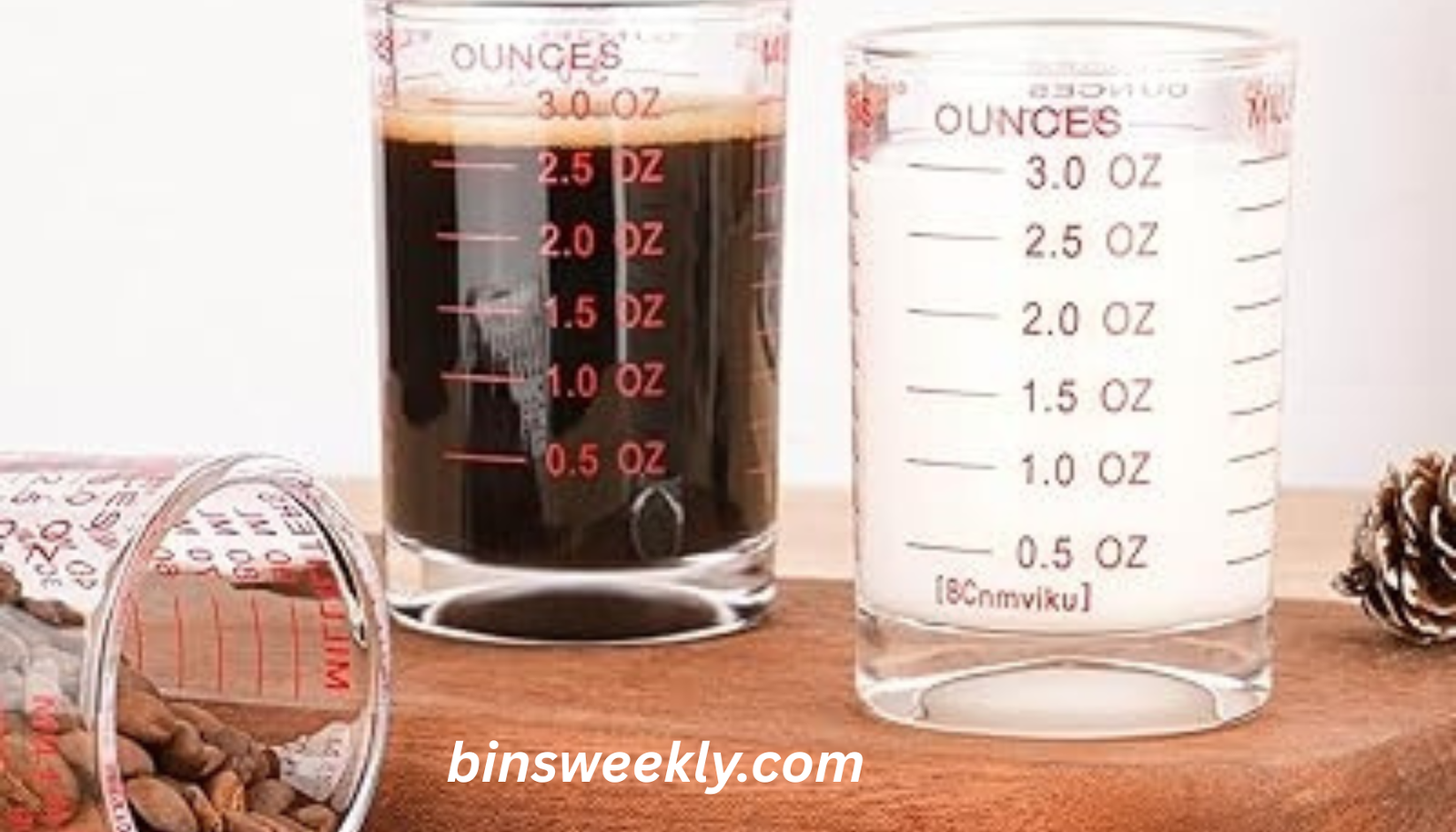
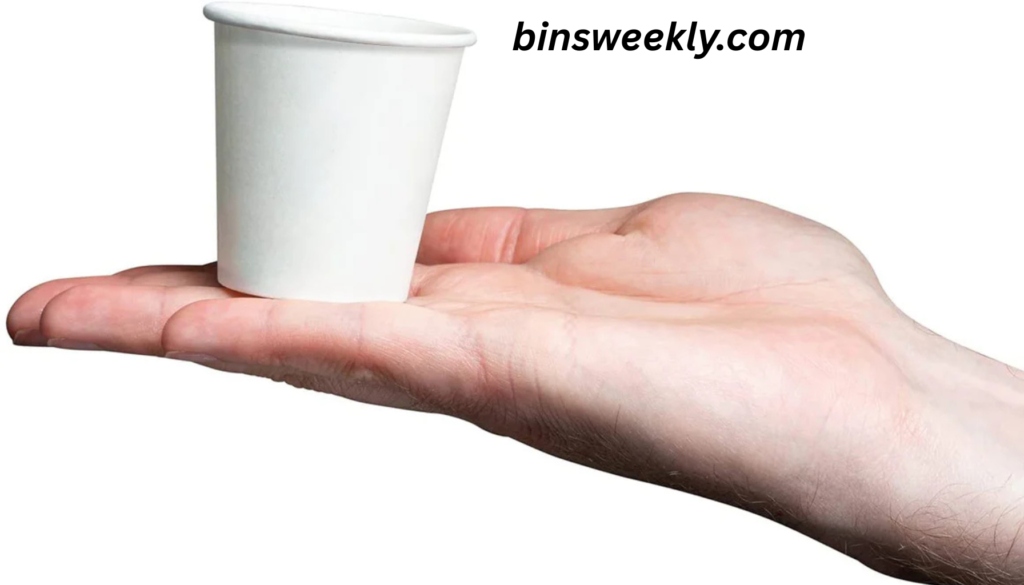
When it comes to liquids, 3 fluid ounces is equivalent to about 6 tablespoons or just under half a cup. Visually, it’s similar to a small juice glass or a standard shot glass multiplied by two. This makes it easier to estimate when you don’t have measuring tools available. For travelers, 3 oz is especially important because it closely aligns with airline liquid restrictions, which typically limit containers to around 3.4 fluid ounces.
Beyond food and drinks, you can also relate 3 oz to common household items. For example, a small bar of soap, a travel-size bottle of shampoo, or a compact snack pack often weighs or contains approximately 3 oz. These comparisons make it easier to internalize the measurement and apply it in real-life situations without second-guessing yourself.
How to Measure 3 oz Accurately
Accurate measurement is key when working with 3 oz, especially in cooking or dietary planning. The most reliable way to measure 3 oz of solid items is by using a kitchen scale. Digital scales are particularly useful because they provide precise readings and are easy to use. Simply place your item on the scale, ensure it’s set to ounces, and adjust until it reads exactly 3 oz. This method eliminates guesswork and ensures consistency.
For liquids, measuring cups are the best option. Most standard measuring cups include fluid ounce markings, allowing you to pour exactly 3 fl oz without any confusion. If you don’t have a measuring cup, you can use tablespoons as an alternative. Since 1 fluid ounce equals 2 tablespoons, 3 fl oz would be 6 tablespoons. This conversion is especially helpful when working with small quantities.
In situations where tools aren’t available, estimation techniques can come in handy. Using your hand as a guide—such as the palm method for meat portions—is a quick and practical solution. While not as precise as a scale, these methods are sufficient for everyday use and help maintain portion control without the need for specialized equipment.
Conversions for 3 oz
Understanding conversions is essential when working with 3 oz across different measurement systems. In terms of weight, 3 oz is approximately 85 grams. This conversion is widely used in countries that follow the metric system, making it easier to adapt recipes or nutritional guidelines. Knowing this equivalent can save time and reduce errors when switching between units.
For liquid measurements, 3 fluid ounces is roughly equal to 89 milliliters. It also translates to 6 tablespoons or about ⅜ of a cup. However, it’s important to note that conversions for solids can vary depending on the ingredient. For example, 3 oz of flour will occupy a different volume than 3 oz of sugar due to differences in density.
Additionally, 3 oz is equal to 0.1875 pounds, which may be useful in contexts like shipping or bulk measurements. Having a clear understanding of these conversions allows you to move seamlessly between different units and ensures accuracy in any task involving measurements.
Common Uses of 3 oz
The 3 oz measurement is widely used in cooking and recipes, where it often represents a standard serving size. Many dietary guidelines recommend 3 oz of protein per meal, making it a key reference point for portion control. This helps individuals maintain a balanced diet and avoid overeating, especially when tracking calorie intake.
In nutrition and dieting, 3 oz plays a significant role in meal planning. It provides a manageable portion that aligns with health recommendations, particularly for lean proteins like chicken, fish, or tofu. By consistently measuring portions, individuals can better control their nutrient intake and achieve their health goals.
Another common use of 3 oz is in travel regulations. Airlines typically follow the “3-1-1 rule,” which limits liquids in carry-on luggage to containers of 3.4 fluid ounces or less. This makes understanding 3 oz essential for packing efficiently and avoiding issues at security checkpoints. Additionally, in shipping and packaging, small items are often measured in ounces, with 3 oz being a common weight for lightweight packages.
Mistakes to Avoid When Dealing with 3 oz
One of the most common mistakes people make is confusing weight ounces with fluid ounces. This can lead to incorrect measurements, especially in recipes that require precision. For example, using a liquid measuring cup for solid ingredients can result in inaccurate quantities, affecting the final outcome.
Another frequent error is relying solely on अनुमान (guesswork) without any reference point. While estimation can be useful, consistently overestimating or underestimating 3 oz can impact portion control and nutritional balance. It’s always better to use proper tools or verified visual comparisons whenever possible.
Lastly, failing to understand conversions can create confusion, particularly when switching between metric and imperial systems. Taking the time to learn and remember basic conversions for 3 oz can prevent errors and make everyday tasks much more efficient.
Tips for Using 3 oz in Daily Life
Incorporating 3 oz into your daily routine becomes easier with a few practical tips. First, familiarize yourself with common visual references, such as the deck-of-cards comparison for meat. This helps you estimate portions quickly without needing a scale every time.
Keeping basic measuring tools in your kitchen is another effective strategy. A digital scale, measuring cups, and spoons can make a significant difference in accuracy and consistency. Over time, you’ll develop a natural sense of what 3 oz looks like, reducing your reliance on tools.
Finally, consider using mobile apps or smart kitchen devices to track measurements and portions. These tools can simplify the process and provide additional insights into your eating habits, helping you stay on track with your goals.
Conclusion
The concept of 3 oz may seem simple, but it holds great importance in various aspects of daily life. From cooking and nutrition to travel and shipping, this measurement serves as a practical standard that ensures consistency and accuracy. By understanding the difference between weight and fluid ounces, learning how to measure and visualize 3 oz, and avoiding common mistakes, you can use this unit with confidence.
FAQs
What is 3 oz in grams?
oz is approximately 85 grams.
Is 3 oz the same as 3 fluid ounces?
No, 3 oz measures weight, while 3 fluid ounces measure volume.
How can I measure 3 oz without a scale?
You can use visual comparisons like the size of a deck of cards or your palm.
What does 3 oz of meat look like?
It is roughly the size and thickness of a deck of playing cards.
How many cups is 3 oz of liquid?
3 fl oz is about ⅜ of a cup.
Why do airlines limit liquids to around 3 oz?
For security reasons, most airlines restrict liquids to about 3.4 oz per container.
How many tablespoons are in 3 oz?
There are 6 tablespoons in 3 fluid ounces.
Can 3 oz vary depending on the ingredient?
Yes, especially for volume measurements due to differences in density.
What tools are best for measuring 3 oz accurately?
A digital kitchen scale and measuring cups are the most reliable tools.
Is 3 oz a standard serving size for all foods?
No, but it is commonly used for protein portions.